Health & Wellness
Why Is My Parakeet Puffed Up? 7 Real Reasons (and When to Worry)
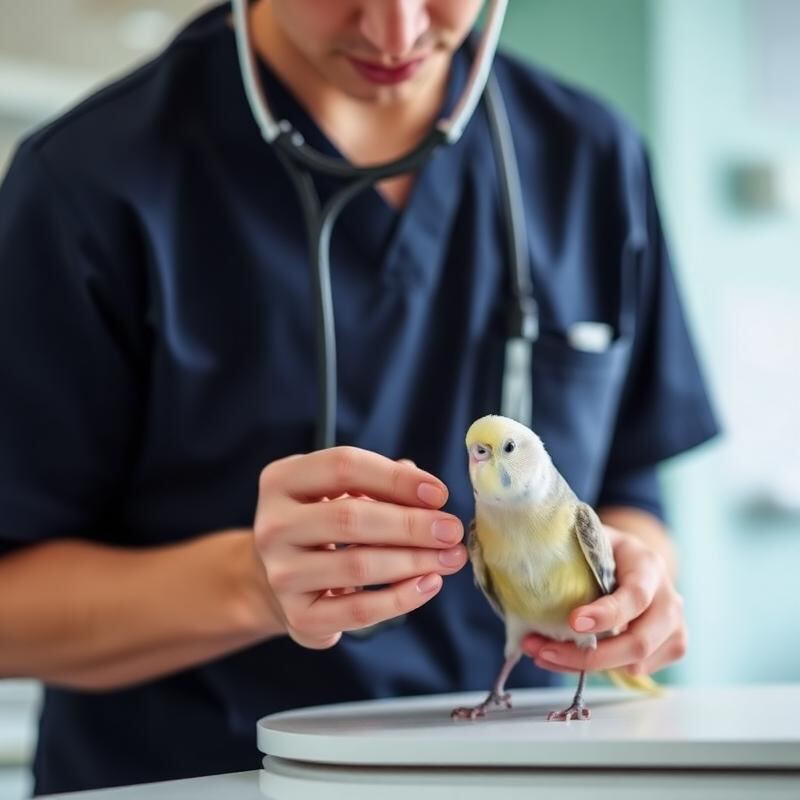
Reviewed by Dr. Marian Hollis, DVM (ABVP-Certified Avian Practitioner) · Last reviewed May 2026
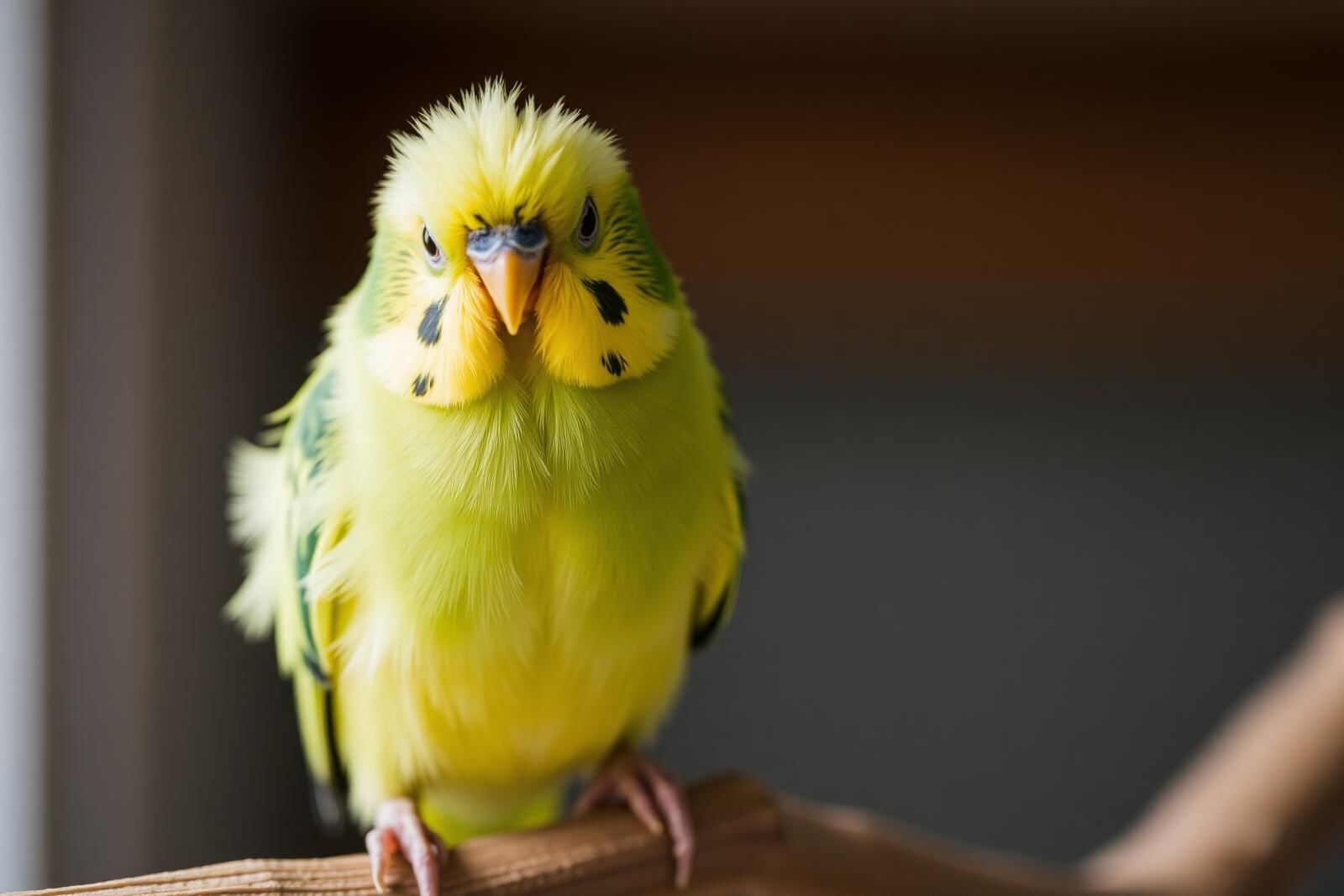
A puffed-up budgie is sometimes a happy nap and sometimes a quiet emergency. Here's how to tell the difference in under five minutes — and what eleven years of bird-keeping has taught me to watch for.
Few things make a new parakeet owner panic faster than a fluffed-up bird. The good news: not every puff is an emergency. The bad news: some are, and budgies are world-class at hiding illness until the very last moment. After eleven years and four budgies, here is the exact mental checklist I run through whenever one of mine looks fluffier than usual.
This guide is reviewed against the symptom criteria used by the Association of Avian Veterinarians and matches what my own avian vet looks for during triage.
Quick Summary: Normal vs Worrying
- Normal: short puffs while napping, after a bath, or in a cool room
- Normal: puff-shake-preen sequence (rearranging feathers)
- Worrying: puffed for 2+ hours with eyes closed
- Worrying: puffed AND silent AND inactive
- Emergency: puffed + tail-bobbing + sitting on the cage floor
1. They're Sleeping or Resting
Healthy budgies puff slightly when they nap. The feathers trap a warm air pocket, and the bird often stands on one leg with the head tucked. If your parakeet uncurls, shakes out, and resumes normal activity within minutes of you walking in, this is the most ordinary explanation possible.
How to tell it's just a nap
- Eyes blink open when you talk to them
- Stands on one leg
- Puff lasts under an hour, not all day
- Bird stretches and resumes eating after
2. The Room Is Too Cold
Budgies are comfortable between 68 and 78°F (20–26°C). Below that they puff feathers to insulate. If you've recently turned the heat down, opened a window, or placed the cage near an air-conditioning vent, this is almost certainly the cause. Move the cage and watch for the puff to relax within 30–60 minutes.
3. They Just Had a Bath
After bathing, parakeets puff aggressively to dry — it looks dramatic but is completely normal for 20 to 40 minutes. They will preen extensively after.
4. Molting
During a molt (typically twice a year), new pin feathers push through the skin and itch constantly. Budgies puff to relieve the irritation and may look perpetually rumpled for 2–4 weeks. You should still see normal eating, drinking, and chatter.
5. Egg-Laying Hen
Female budgies preparing to lay eggs often puff up, sit low, and become unusually quiet. Watch for a swollen vent area and increased water intake. If she strains for more than 24 hours without passing an egg, that's egg-binding — an emergency.
6. Stress or Fear
A new pet in the house, loud construction next door, or a recent cage move can trigger defensive puffing combined with hissing or beak-grinding. Remove the stressor, give the bird quiet, and the puff should resolve within hours.
7. They Are Sick — The Hard Truth
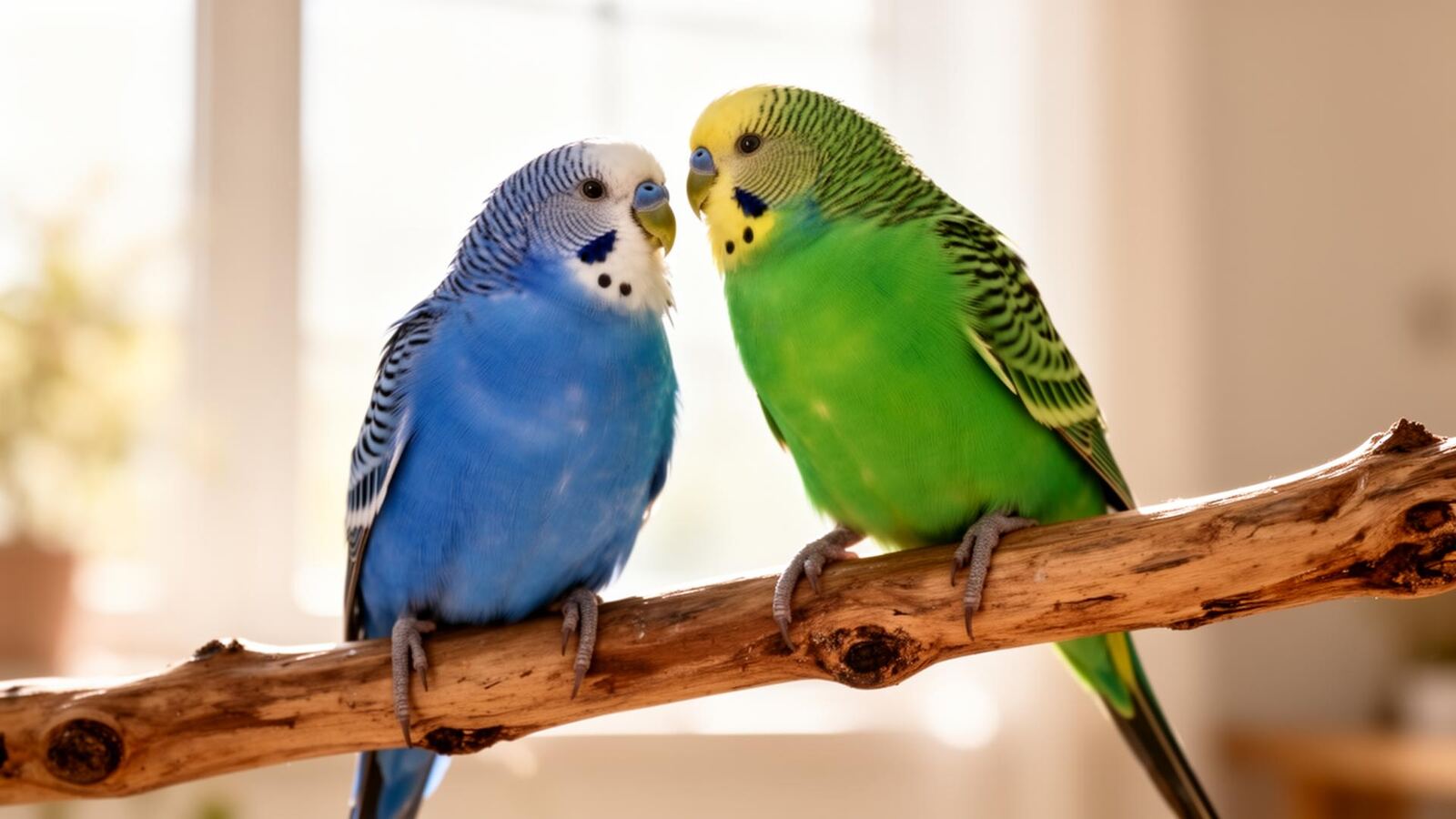
Budgies in the wild are prey. Looking sick attracts predators, so they hide symptoms until they physically cannot anymore. A continuously puffed-up parakeet that is also quiet, eating less, sleeping during normal active hours, or sitting at the bottom of the cage is genuinely ill — and probably has been for longer than you realized.
Symptoms that mean call an avian vet TODAY
| Symptom | Why it matters |
|---|---|
| Puffed for 2+ hours with eyes closed | Energy conservation — body fighting illness |
| Tail bobbing with each breath | Respiratory distress |
| Sitting on the cage floor | Too weak to perch — late-stage illness |
| Discharge from nostrils or eyes | Sinus or respiratory infection |
| Wet vent / changed droppings for 24h+ | Crop or GI infection |
| Not eating for 12+ hours | Budgies starve in 24–48 hours |
| Vomiting (head shaking, sticky face) | Crop infection or toxin exposure |
What to Do Right Now While You Decide
- Turn the room temperature up to 78–82°F (25–28°C) — warmth reduces energy demand on a sick bird.
- Cover three sides of the cage to reduce stress and conserve heat.
- Move food and water within reach of where the bird is currently sitting (no climbing required).
- Do not attempt to handle a fluffed bird unnecessarily — stress can kill a sick budgie.
- Find your nearest avian-certified vet now, before you need them at midnight.
Finding an Avian Vet
Standard small-animal vets often cannot treat birds properly. Search the Association of Avian Veterinarians directory at aav.org for a board-certified avian vet near you. I keep two phone numbers saved in my phone — primary and after-hours — and I recommend every bird owner do the same before a problem ever appears.
What I've Learned in Eleven Years
Of every truly sick bird that has come through my home, all but one looked "a little puffed up" for two or three days first. The keepers who notice early and act are the ones whose birds recover. The ones who wait "to see if it gets better on its own" almost always lose the bird. When in doubt, call. Avian vets would rather see ten healthy budgies than miss one sick one.
Frequently Asked Questions
Is a puffed-up parakeet always sick?
No. Brief puffing during sleep, after a bath, or on a chilly morning is normal. Continuous all-day puffing combined with closed eyes, silence, or tail-bobbing is a vet emergency.
How long can a puffed-up budgie wait before seeing a vet?
If your budgie is puffed for more than a few hours, fluffed at the bottom of the cage, or showing tail-bobbing, see an avian vet within 24 hours. Birds hide illness until they cannot anymore.
Can a cold room make a parakeet puff up?
Yes. Below 60°F (15°C), budgies fluff feathers to trap warm air. Move the cage to a 68–78°F (20–26°C) room and watch for improvement within an hour.
What does tail-bobbing mean?
Tail-bobbing in rhythm with breathing means the bird is working hard to breathe. Combined with puffing, it indicates respiratory distress — go to an avian vet immediately.
Sources & Further Reading
- Association of Avian Veterinarians — aav.org
- VCA Animal Hospitals — Bird Care Library
- Lafeber Vet — Companion Bird Nutrition
Medically reviewed
Dr. Marian Hollis, DVM — ABVP-Certified Avian Practitioner
Cascade Avian & Exotic Veterinary, Portland OR
Last reviewed May 2026 · About the author
Your turn
What did your parakeet teach you the hard way? Share your story by emailing hello@perchandplume.com — the best replies appear in our weekly letter.