Feeding & Nutrition
What Can Parakeets Eat? The Safe & Unsafe Foods List I Trust
Reviewed by Dr. Marian Hollis, DVM (ABVP-Certified Avian Practitioner) · Last reviewed May 2026
Seed-only diets are slowly killing pet budgies. Here is the safe foods list, the toxic foods list, and the daily routine my flock has thrived on for years.
If I could fix one thing about pet parakeet care worldwide, it would be the diet. Seed mixes are the equivalent of feeding a child only chips — birds love them, but they cause fatty liver disease, obesity, and an early death by roughly half their potential lifespan.
My budgies eat a mix that took years to refine, with input from two avian vets. Here's the version I'd hand a new keeper on day one.
Quick Summary: A Healthy Daily Diet
- About 60% high-quality pellets (Harrison's, TOP's, Roudybush)
- About 30% fresh vegetables and leafy greens
- About 10% seed mix and treats (millet, occasional fruit)
- Fresh, clean water changed every single day
Safe Vegetables (Daily)
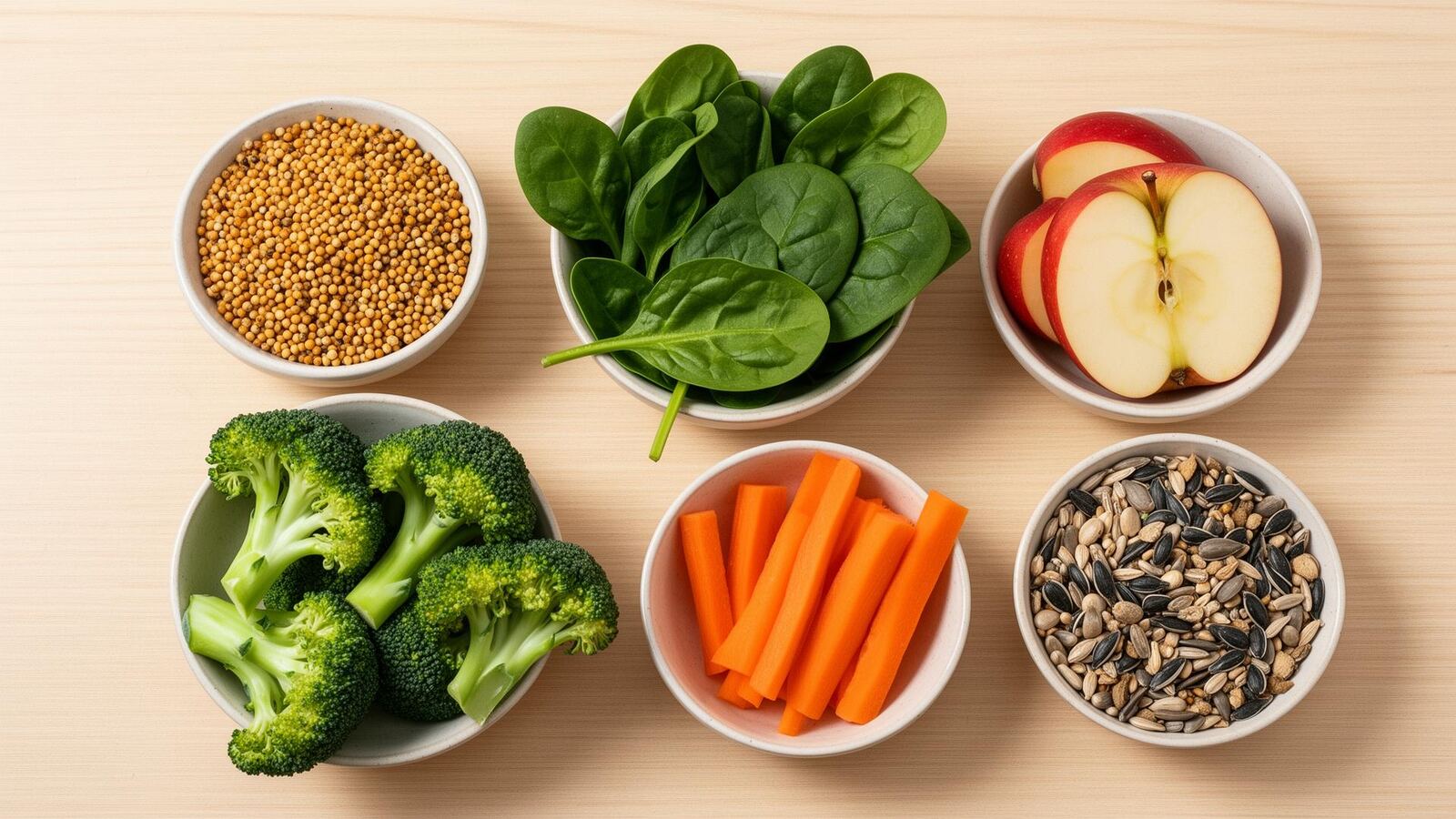
- Leafy greens: kale, romaine, dandelion greens, bok choy, cilantro, parsley
- Cruciferous: broccoli (florets and finely chopped stem), cauliflower
- Crunchy: carrot (grated), bell pepper (any color, including seeds), zucchini, cucumber
- Cooked: sweet potato, squash, peas, corn (sparingly)
Safe Fruits (2–3 Times a Week)
Fruit is sugary — treat it as a treat, not a staple. Always remove apple, pear, peach, plum, and cherry seeds and pits, which contain trace cyanide compounds.
- Apple (no seeds)
- Berries (blueberry, raspberry, strawberry)
- Mango
- Banana
- Melon
- Kiwi
- Pomegranate
TOXIC — Never Feed These
| Food | Why it's dangerous |
|---|---|
| Avocado | Persin — can cause cardiac failure |
| Chocolate | Theobromine and caffeine — toxic to birds |
| Onion & garlic | Damage red blood cells, cause anemia |
| Caffeine (coffee, tea) | Cardiac arrhythmia |
| Alcohol | Liver failure, fatal in tiny amounts |
| Fruit pits & apple seeds | Contain cyanogenic compounds |
| Salty / fried human food | Kidney damage |
| Raw beans | Lectins |
| Mushrooms | Liver-toxic varieties hard to identify |
| Rhubarb leaves | Oxalic acid |
About Seed Mixes
Seeds are not evil — they are simply incomplete. Wild budgies in Australia eat a wide variety of seeds, but they also walk miles a day and eat young grasses, seeds at different ripeness, and the occasional insect. A bowl of dried millet and sunflower in a cage is nothing like that.
Use seed as a small daily portion (about a teaspoon per bird) or as training reward — never as the only food source.
Switching a Seed Addict to Pellets
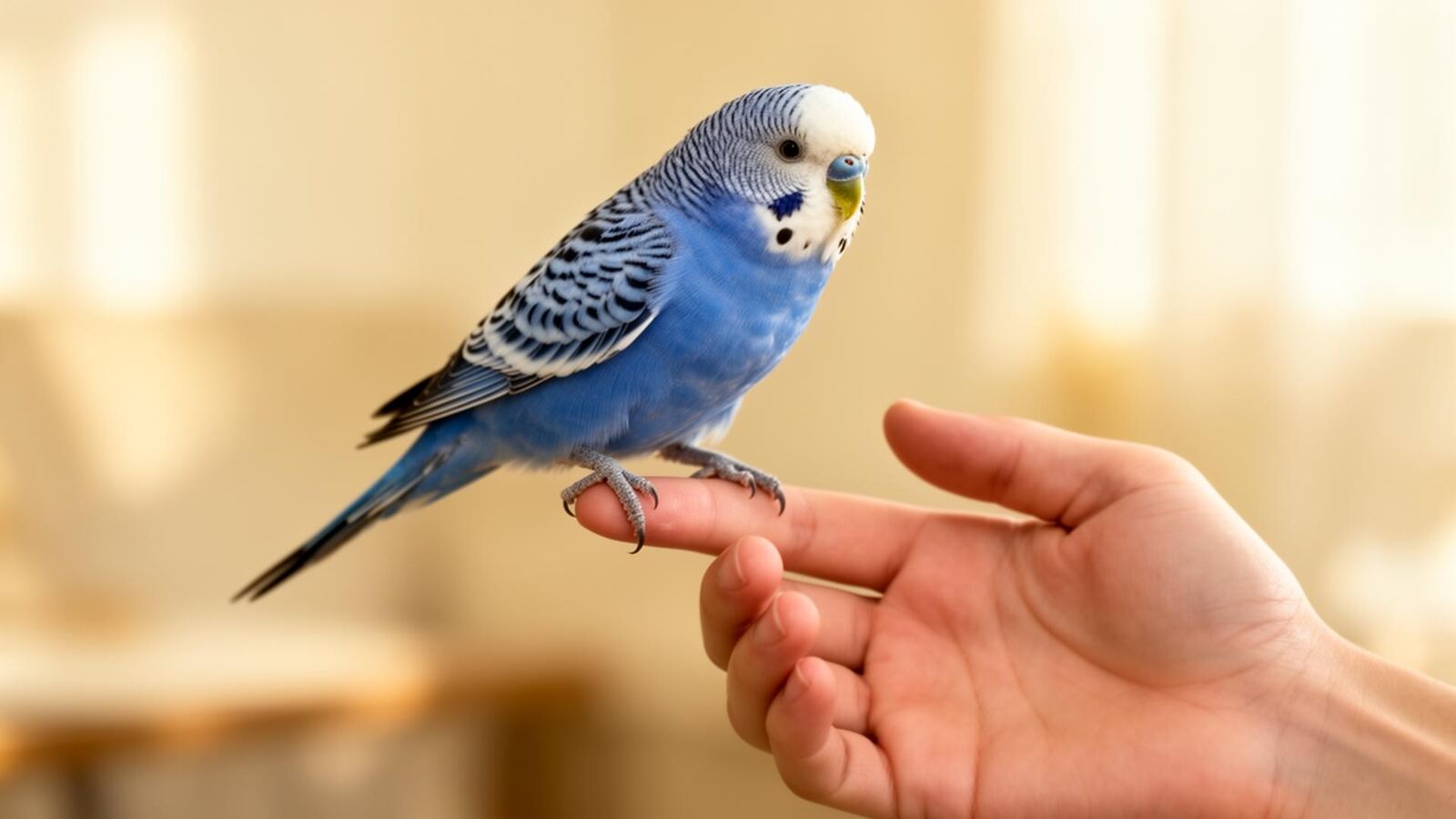
- Mix new pellets into the seed bowl at about 25% for one week.
- Increase to 50/50 the second week.
- Offer pellets in the morning when the bird is hungriest, and seeds only in the late afternoon.
- Eat pellets in front of your bird — flock animals copy. (Yes, really.)
- Never starve a budgie into eating. Weigh weekly with a kitchen scale; if they drop more than 5%, slow down.
Water
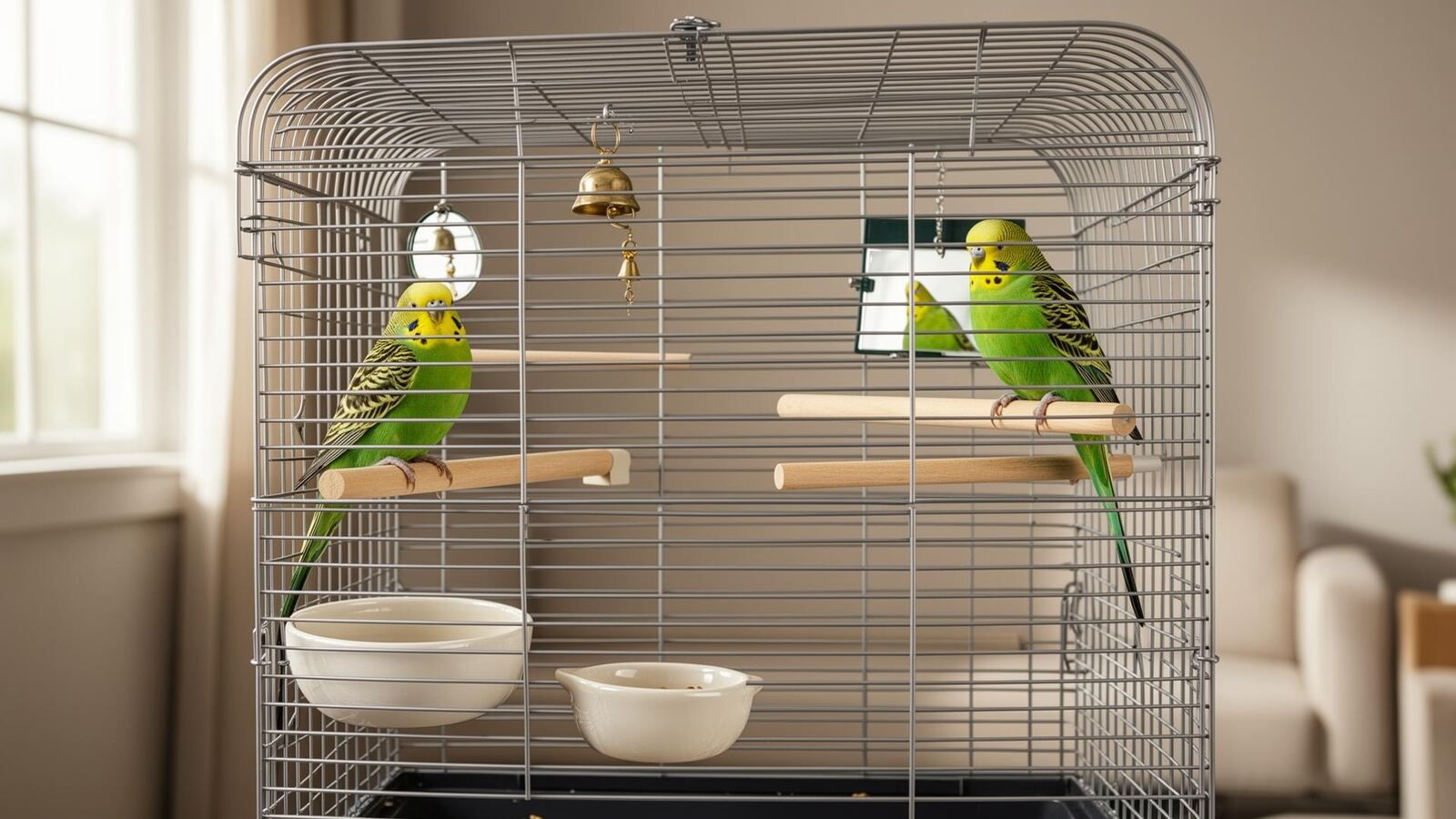
Change water daily, full stop. Wash the dish with hot water and a tiny amount of unscented soap, rinse thoroughly, and refill. Bottle waterers look hygienic but clog silently — open ceramic dishes are easier to monitor.
Common Feeding Mistakes
- Topping up the seed bowl instead of emptying husks (birds appear fed but are starving among shells).
- Offering fresh food once and giving up when the bird ignores it — most budgies need 10–15 exposures to try a new food.
- Feeding human snack foods "just a little" — bird metabolisms don't tolerate it.
- Using vitamin-fortified seed (the vitamins coat the husk, which the bird discards).
What My Flock Actually Eats Each Day
Morning: a small bowl of pellets per bird, refreshed. Mid-morning: a chopped salad of two or three vegetables clipped to the cage for one hour. Afternoon: the salad comes down, fresh water goes in, and a small spray of millet appears as enrichment. Evening: cage rest with just pellets and water available. That's it. No magic, no expensive supplements.
Frequently Asked Questions
Can parakeets eat avocado?
No. Avocado contains persin, which is toxic to all parrots including budgies. Even small amounts can be fatal.
Can parakeets eat bananas?
Yes, in small pieces a few times a week. Remove the peel and any uneaten fruit within a few hours.
Should parakeets eat only seeds?
No. A seed-only diet leads to fatty liver disease and shortened lifespan. Aim for ~60% pellets, ~30% fresh vegetables, ~10% seeds and treats.
Can parakeets drink tap water?
Most municipal tap water is fine, but if your tap water tastes strongly of chlorine, use filtered water. Change water at least once daily.
Sources & Further Reading
- Association of Avian Veterinarians — aav.org
- VCA Animal Hospitals — Bird Care Library
- Lafeber Vet — Companion Bird Nutrition
Medically reviewed
Dr. Marian Hollis, DVM — ABVP-Certified Avian Practitioner
Cascade Avian & Exotic Veterinary, Portland OR
Last reviewed May 2026 · About the author
Your turn
What did your parakeet teach you the hard way? Share your story by emailing hello@perchandplume.com — the best replies appear in our weekly letter.