Feeding & Nutrition
What Vegetables Can Parakeets Eat Every Day? A Vet-Reviewed List

Reviewed by Dr. Marian Hollis, DVM (ABVP-Certified Avian Practitioner) · Last reviewed May 2026
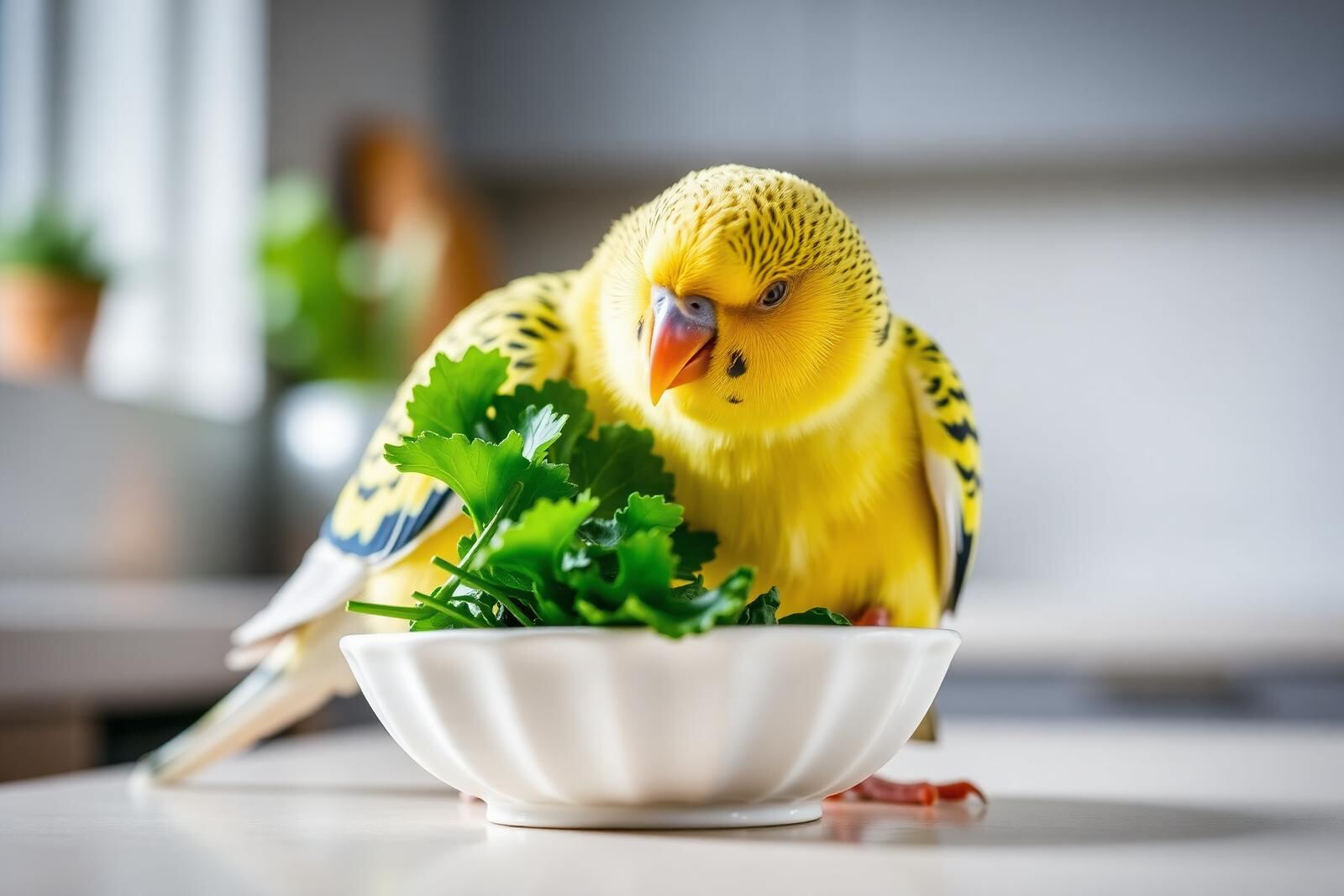
Vegetables aren't a side dish for parakeets — they're the difference between a five-year bird and a twelve-year one. Here's exactly what I serve my flock, every morning, with nothing left to guesswork.
Eleven years of keeping budgies has taught me one quiet truth: the owners who feed fresh vegetables daily almost never end up at the avian vet for nutrition-related illness. The owners who don't, eventually do. Vegetables are not optional. They're the cheapest health insurance you'll ever buy your bird.
How Much Vegetable Should a Parakeet Eat?
A healthy adult budgie needs roughly one heaping tablespoon of finely chopped fresh vegetables per day. That sounds like nothing — and it is. The trick isn't quantity, it's consistency. A teaspoon every morning beats a salad bowl twice a week.
The Safe Daily Vegetables List
| Vegetable | How Often | Why It Matters |
|---|---|---|
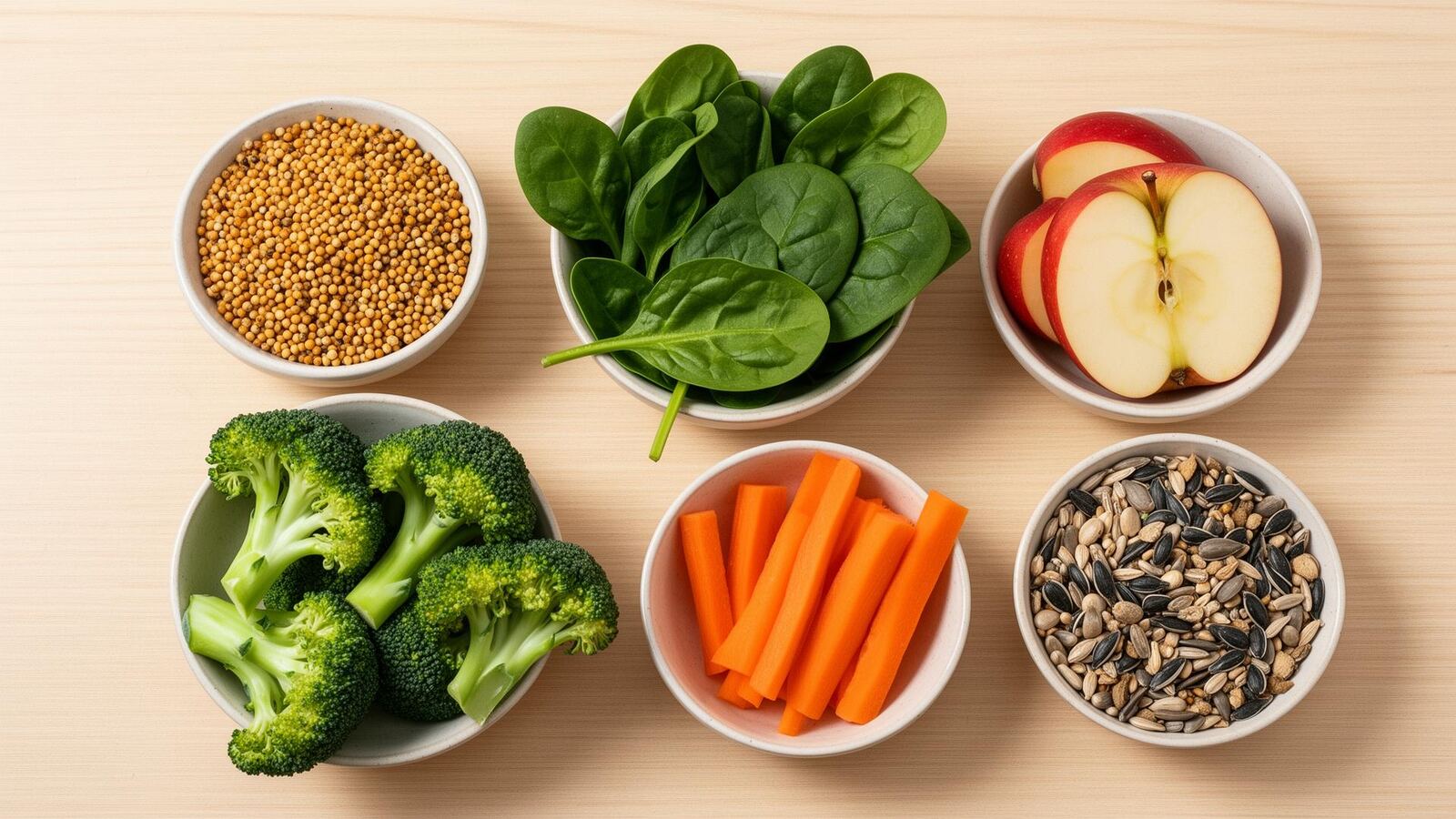
| Kale | Daily | Calcium, vitamin K, vitamin A |
| Romaine lettuce | Daily | Hydration, gentle fiber |
| Dandelion greens | Daily | Calcium, mild liver support |
| Bell pepper (any color) | Daily | Vitamin C, antioxidants, low sugar |
| Carrot (grated raw) | Daily | Beta-carotene for vitamin A |
| Broccoli florets | 3–4×/week | Vitamin C, calcium |
| Cucumber | 3×/week | Hydration on hot days |
| Zucchini | 3×/week | Mild, easy to chop tiny |
| Sweet potato (cooked) | 2×/week | Vitamin A, slow carbs |
| Peas (fresh or thawed) | 2×/week | Plant protein, B vitamins |
How to Prep Vegetables So Your Parakeet Will Actually Eat Them
- Wash everything in cool running water — no soap, no vinegar.
- Chop tiny. Budgies are 30 grams. Aim for confetti-sized pieces.
- Mix one new vegetable into a familiar favorite — never serve a new food alone.
- Clip leafy greens to the cage bars. Foraging triples acceptance.
- Remove fresh food after 2–3 hours to prevent bacterial growth.
Vegetables to Skip Entirely
- Avocado — contains persin, fatal to budgies
- Onion, leek, shallot — damages red blood cells
- Garlic — same issue, in stronger concentration
- Raw potato or potato skins — solanine toxicity
- Mushrooms — gastrointestinal upset and possible toxicity
- Rhubarb leaves — oxalic acid
- Iceberg lettuce — not toxic, just nutritionally hollow and watery
What If My Budgie Refuses Vegetables?
This is the most common email I get. The fix is patience, not force. Offer the same vegetable in the same spot at the same time every morning for 14 days. Eat one yourself in front of them — budgies are flock learners. Most birds give in within two weeks. Stubborn ones take a month. Keep going.
If your parakeet won't try vegetables, the problem isn't the vegetables. It's the routine around them.
Frequently Asked Questions
Can parakeets eat vegetables every single day?
Yes — and they should. Fresh vegetables should make up about 20–25% of a parakeet's daily diet. Offer a small chopped portion every morning and remove uneaten food after 2–3 hours.
What is the single best vegetable for parakeets?
Dark leafy greens — especially kale, dandelion greens, and romaine. They deliver calcium, vitamin A, and the antioxidants budgies almost never get from a seed-only diet.
Can budgies eat carrots raw?
Yes. Grated raw carrot is one of the safest, most nutrient-dense vegetables you can offer. The vitamin A supports eye, skin, and respiratory health.
Are there vegetables I should never feed?
Avoid avocado (toxic), onion, garlic, raw potato, mushrooms, and rhubarb leaves. Iceberg lettuce isn't toxic but is nutritionally empty and can cause loose droppings.
Sources & Further Reading
- Association of Avian Veterinarians — aav.org
- VCA Animal Hospitals — Bird Care Library
- Lafeber Vet — Companion Bird Nutrition
Medically reviewed
Dr. Marian Hollis, DVM — ABVP-Certified Avian Practitioner
Cascade Avian & Exotic Veterinary, Portland OR
Last reviewed May 2026 · About the author
Your turn
What did your parakeet teach you the hard way? Share your story by emailing hello@perchandplume.com — the best replies appear in our weekly letter.