Training & Behavior
Parakeet Sounds and What They Mean: A Keeper's Field Guide

Reviewed by Dr. Marian Hollis, DVM (ABVP-Certified Avian Practitioner) · Last reviewed May 2026
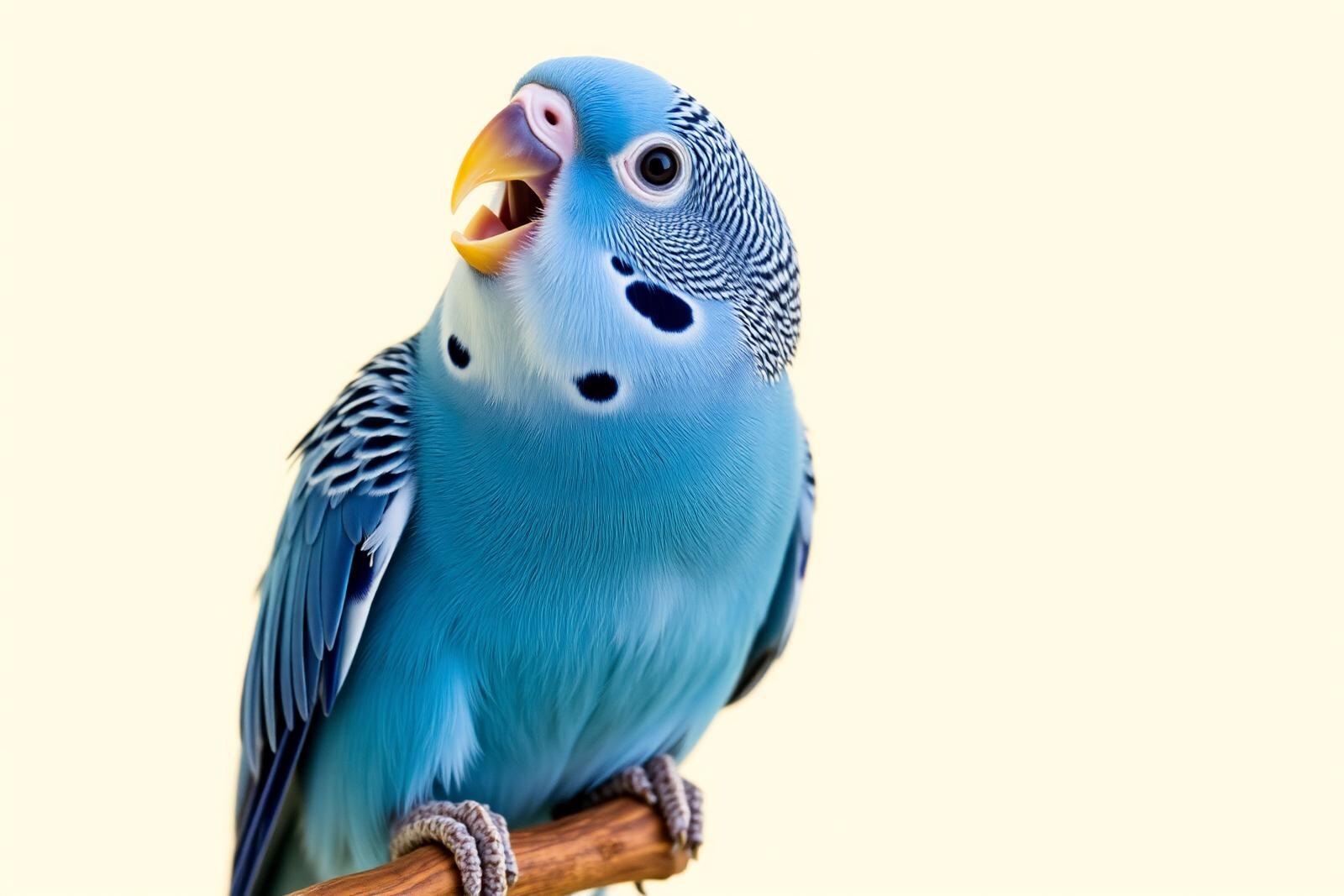
Parakeets talk constantly — most owners just don't speak the language yet. Here are the 12 sounds my flock makes daily and what each one actually means.
When I brought home my first budgie, I thought he was just "chirpy." Years later I realized he had been telling me — clearly, repeatedly, in a real vocabulary — that he was hungry, lonely, scared, or content. I just hadn't learned to listen.
This guide covers the 12 sounds I hear from my flock most often, what each means in context, and how to respond. Once you can read these, your bird stops feeling mysterious.
Quick Summary: The Sound Cheat Sheet
| Sound | Most likely meaning |
|---|---|
| Soft warble / song | Content, secure, happy |
| Loud chatter (morning/evening) | Flock call — "where is everyone?" |
| Beak grinding | Sleepy, completely relaxed |
| Sharp single chirp | Alert — checking surroundings |
| Repeated loud squawk | Distress, alarm, or attention demand |
| Hissing | Back off — boundary warning |
| Clicking beak | Mild irritation or warning |
| Mimicked words / sounds | Bonded and confident |
| Silence (sudden) | Possible illness or fear |
1. The Happy Warble
A long, soft, almost musical stream of clicks, whistles, and gurgles. This is your budgie at peak contentment — usually heard in mid-morning sun or after a good meal. If you hear this regularly, you are doing right by your bird.
2. The Flock Call
Loud, repetitive chirping — usually at sunrise and sunset. In the wild, budgies call across the flock at dawn and dusk to confirm everyone is still there. Your bird is doing the same with you. Answer with a soft whistle and they will often calm immediately.
3. Beak Grinding
A scratchy, side-to-side rasp made just before sleep. Beak grinding is the budgie equivalent of a cat purring — it only happens when a bird feels completely safe. New owners often worry; in fact it is the highest praise your parakeet can pay your home.
4. The Single Alert Chirp
One sharp, clean chirp followed by a head tilt. Your bird heard or saw something new and is checking it. Acknowledge it gently — "It's okay" — and move on. This is healthy, alert behavior.
5. The Distress Squawk
Loud, repeating, harsh squawks — often combined with flapping or pacing. Something is wrong. Check the room: a window-tapping bird outside, a cat staring through a doorway, a smoke alarm chirping, or food and water that ran out. Respond every time, even if it's a false alarm. Birds learn that you take their warnings seriously.
6. Hissing
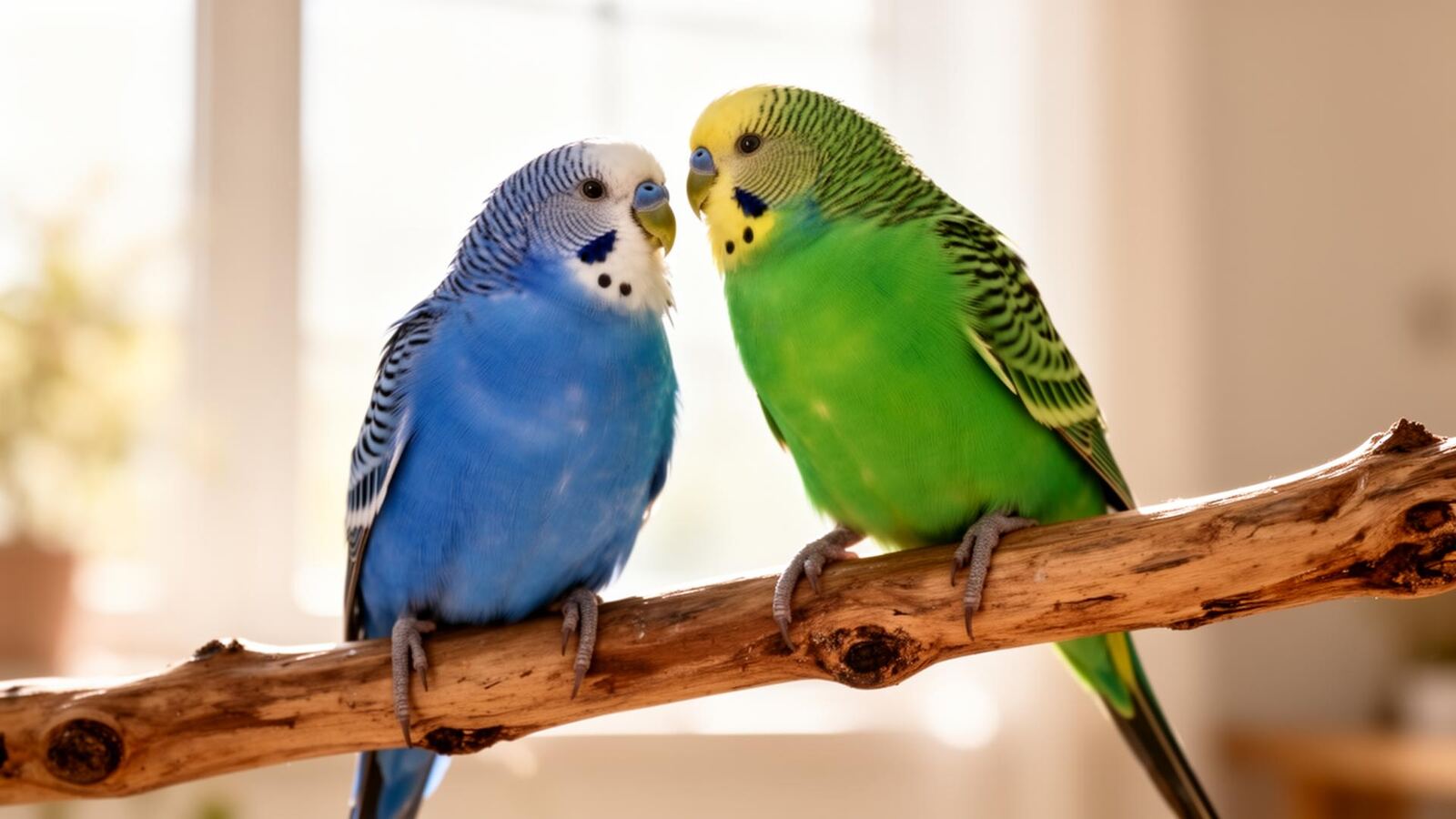
A short, low hiss usually delivered with a slight feather raise. Translation: "Do not come closer right now." Common during hormonal seasons, near a favorite toy, or with a hand entering the cage uninvited. Always honor the warning. Pushing through a hiss teaches a bird that words don't work and bites do.
7. Beak Clicking
Soft, single clicks of the beak — sometimes mistaken for affection but usually mild irritation. If your bird clicks at another budgie or at your finger, give a moment of space.
8. Mimicry and Words
Repeated phrases, household sounds, or your name. Budgies — especially males — mimic the sounds they hear most from people they trust. A bird that mimics is a bird that feels secure enough to perform. Repetition, calm tone, and predictable timing teach faster than any device.
- Pick one short phrase ("hello, pretty bird").
- Say it the same way, at the same time, twice a day.
- Wait. First mimicry usually appears around weeks 4–8.
- Reward the attempt with attention or millet, never punish silence.
9. Tongue Clicking
A wet, soft click made with the tongue against the beak. Often a sign of contentment or curiosity, and sometimes a request to be scratched on the head — particularly in hand-tame birds.
10. Mating Chirps
Repetitive, rhythmic, slightly forced chirps with regurgitation movements. Hormonal and harmless on their own — but if your single male is regurgitating into a mirror or food dish daily, remove the trigger. Repeated regurgitation can cause crop infections.
11. The Sleep Murmur
Tiny, almost inaudible sleep-talking sounds. Many budgies vocalize softly while dreaming. It is endearing and entirely normal.
12. Sudden Silence
The most important sound is the one that disappears. A normally chatty budgie that goes silent for more than half a day deserves attention. Combined with puffed feathers, closed eyes, or reduced eating, silence is often the first symptom of illness — see our guide on puffed-up parakeets for the full triage list.
How to Talk Back
- Whistle softly to acknowledge a flock call.
- Use the same short greeting whenever you enter the room.
- Lower your voice — birds match your energy.
- Pause and listen. Conversation requires turn-taking.
Final Thought
A bonded parakeet is a noisy parakeet — and that noise is structured language, not chaos. Listen for a week with this guide beside you and your bird will start to feel less like a small confusing animal and more like the chatty, opinionated companion they actually are.
Frequently Asked Questions
Why is my parakeet so quiet all of a sudden?
A previously chatty budgie that goes silent for more than half a day is showing a behavior change worth taking seriously. Quiet plus puffed feathers is a vet visit; quiet alone may be molting, hormonal, or environmental.
Do parakeets sing when they're happy?
Yes. Long, melodic warbling — sometimes called "happy song" — is one of the clearest signs of a content, secure budgie. They often sing in soft sunlight or after a meal.
What does it mean when a parakeet hisses?
Hissing is a clear back-off warning, usually from a bird who feels cornered, hormonal, or protective of a nesting space. Respect it — give space and try again later.
Can parakeets really learn to talk?
Many can. Males learn faster than females, and budgies raised around frequent gentle speech often build vocabularies of dozens to hundreds of words. Repetition and a calm tone matter far more than any "training device."
Sources & Further Reading
- Association of Avian Veterinarians — aav.org
- VCA Animal Hospitals — Bird Care Library
- Lafeber Vet — Companion Bird Nutrition
Medically reviewed
Dr. Marian Hollis, DVM — ABVP-Certified Avian Practitioner
Cascade Avian & Exotic Veterinary, Portland OR
Last reviewed May 2026 · About the author
Your turn
What did your parakeet teach you the hard way? Share your story by emailing hello@perchandplume.com — the best replies appear in our weekly letter.