Feeding & Nutrition
Parakeet Pellets vs Seeds: Which Is Actually Better in 2026?
Reviewed by Dr. Marian Hollis, DVM (ABVP-Certified Avian Practitioner) · Last reviewed May 2026
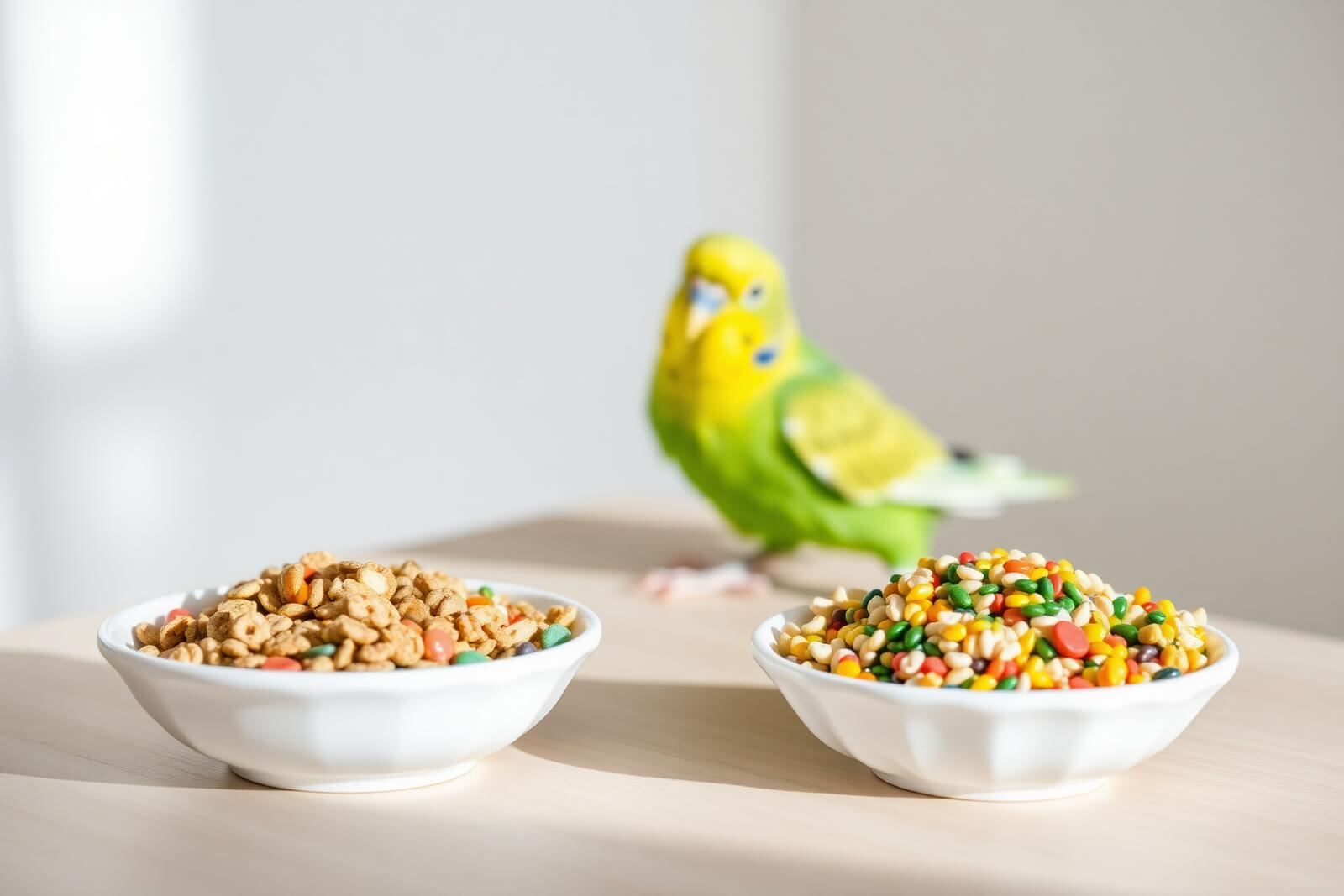
Every avian vet has the same opinion. Every pet store sells the opposite product. After eleven years and four budgies, here's the honest answer to the pellets-vs-seeds debate — and the diet I actually feed.
If you've stood in a pet aisle wondering why the bag of seeds is twice the size of the bag of pellets and half the price, you're not alone. Marketing has trained us to think 'birds eat seeds, that's natural.' In the wild, yes — they eat dozens of seasonal seeds, grasses, sprouts, and bugs. In your living room, a packaged seed mix is closer to a daily diet of potato chips.
The Honest Nutrition Comparison
| Factor | Seed Mix Only | Pellets (with veg) |
|---|---|---|
| Fat content | Very high (35–50%) | Balanced (4–8%) |
| Vitamin A | Severely deficient | Complete |
| Calcium | Low | Adequate |
| Selective eating | Yes — birds pick favorites | No — every bite is balanced |
| Average lifespan impact | 4–6 years | 10–14 years |
| Risk of fatty liver disease | High | Low |
| Cost per month | Low | Moderate |
Why Seed-Only Diets Quietly Fail
Budgies are selective eaters by nature. Given a colorful seed mix, they'll pick out the sunflower and millet bits — the highest-fat seeds — and ignore the rest. That's why you see the bowl 'empty' but actually full of leftover hulls. Over months and years, that selective eating turns into vitamin A deficiency, calcium deficiency, fatty liver, and obesity. None of it shows up dramatically. It just shortens the bird's life by half.
The 70/25/5 Diet I Actually Recommend
- 60–70% high-quality pellets (Harrison's, Roudybush, TOPs, ZuPreem Natural)
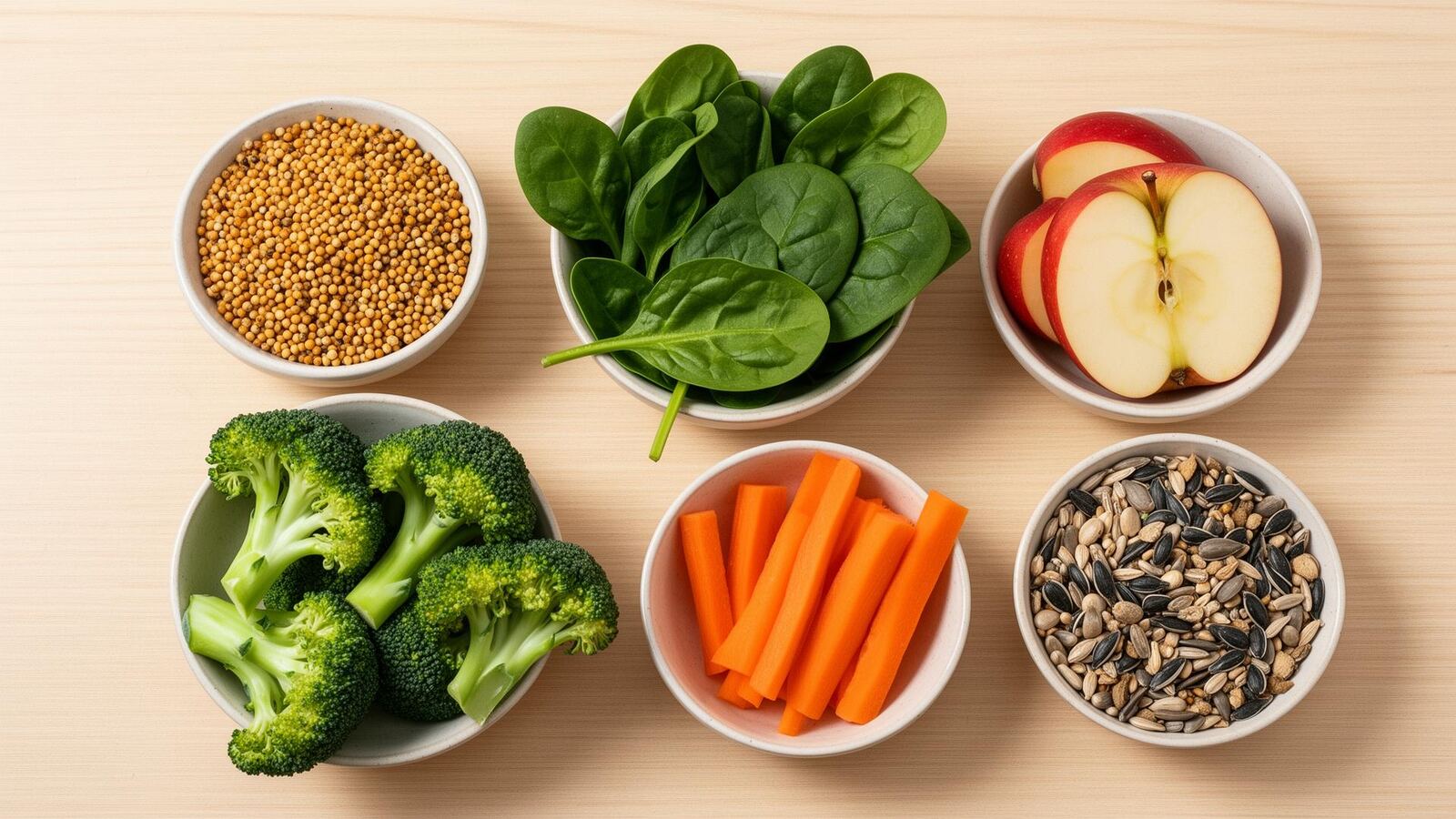
- 20–25% fresh chopped vegetables, served daily
- 5–10% seeds, sprouts, and fruit as treats and training rewards
- Constant access to clean water and a cuttlebone or mineral block
How to Switch a Stubborn Seed Addict
- Week 1: Replace 10% of the seed mix with crushed pellets.
- Week 2: Increase to 25% pellets, sprinkled on top so the bird sees them.
- Week 3: 50/50 mix. Some birds resist hard here — be patient.
- Week 4: 75% pellets, 25% seeds.
- Week 5–6: 90% pellets. Offer seeds only as evening treats.
- Week 7+: Pellets as the staple, seeds as occasional reward.
- Weigh your bird weekly with a kitchen scale. Stop and slow down if they lose more than 5% of body weight.
What If My Parakeet Refuses Pellets Entirely?
Try a different brand. Try crushing pellets into a powder and sprinkling them over wet vegetables — this catches them by accident. Try eating one yourself in front of the cage (yes, really — they're flock learners). And give it time. My most stubborn budgie took four months to fully switch. He's now nine years old and healthier than any seed-only bird I've ever met.
The best diet for a parakeet isn't the one that looks like the wild. It's the one that gets them to fourteen years old, still flying around your living room.
Frequently Asked Questions
Are pellets really better than seeds for parakeets?
Yes — nutritionally. Pellets are formulated to provide complete nutrition, while a seed-only diet is dangerously high in fat and missing key vitamins. But the best diet is mixed: roughly 60–70% pellets, 20–25% fresh vegetables, 5–10% seeds and fruit.
Can a parakeet live on seeds alone?
It can survive — but rarely thrives. Seed-only budgies typically live 4–6 years and die of fatty liver disease, vitamin A deficiency, or obesity-related illness. Pellet-fed birds with fresh vegetables routinely reach 10–14 years.
How do I switch my parakeet from seeds to pellets?
Slowly. Mix 10% pellets into the seed mix for a week, then 25%, then 50%, then 75%, then 100%. The full transition takes 4–8 weeks. Never starve a budgie onto pellets — weigh weekly to be safe.
Are colored pellets safe?
They're safe but unnecessary. The artificial dyes can stain droppings and confuse health monitoring. Most avian vets recommend uncolored, organic pellets like Harrison's, Roudybush, or TOPs.
Sources & Further Reading
- Association of Avian Veterinarians — aav.org
- VCA Animal Hospitals — Bird Care Library
- Lafeber Vet — Companion Bird Nutrition
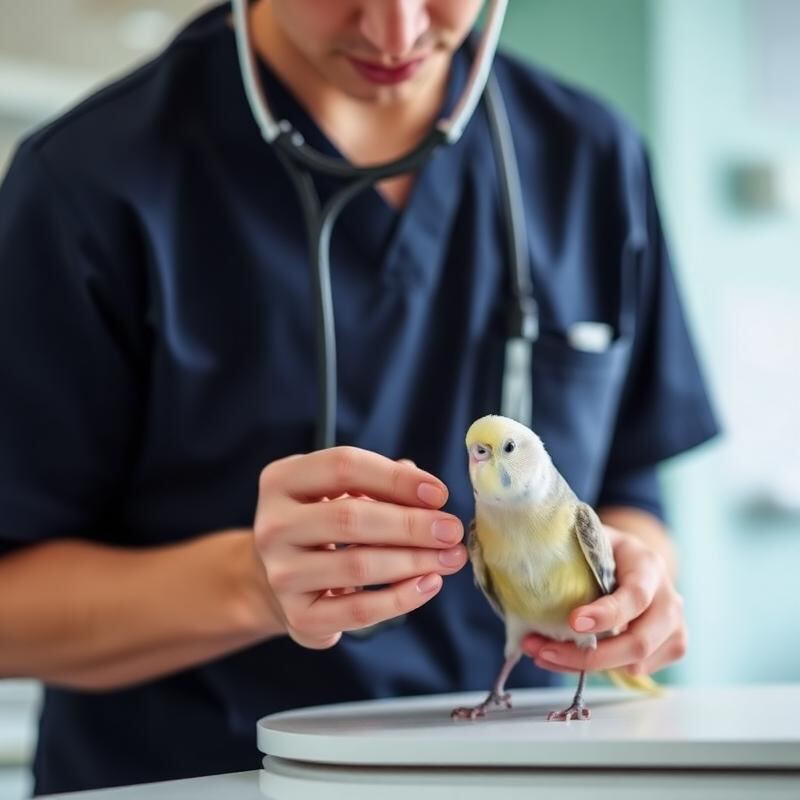
Medically reviewed
Dr. Marian Hollis, DVM — ABVP-Certified Avian Practitioner
Cascade Avian & Exotic Veterinary, Portland OR
Last reviewed May 2026 · About the author
Your turn
What did your parakeet teach you the hard way? Share your story by emailing hello@perchandplume.com — the best replies appear in our weekly letter.