Species & Breeds
Male vs Female Parakeet: How to Tell the Difference (With Photos)

Reviewed by Dr. Marian Hollis, DVM (ABVP-Certified Avian Practitioner) · Last reviewed May 2026
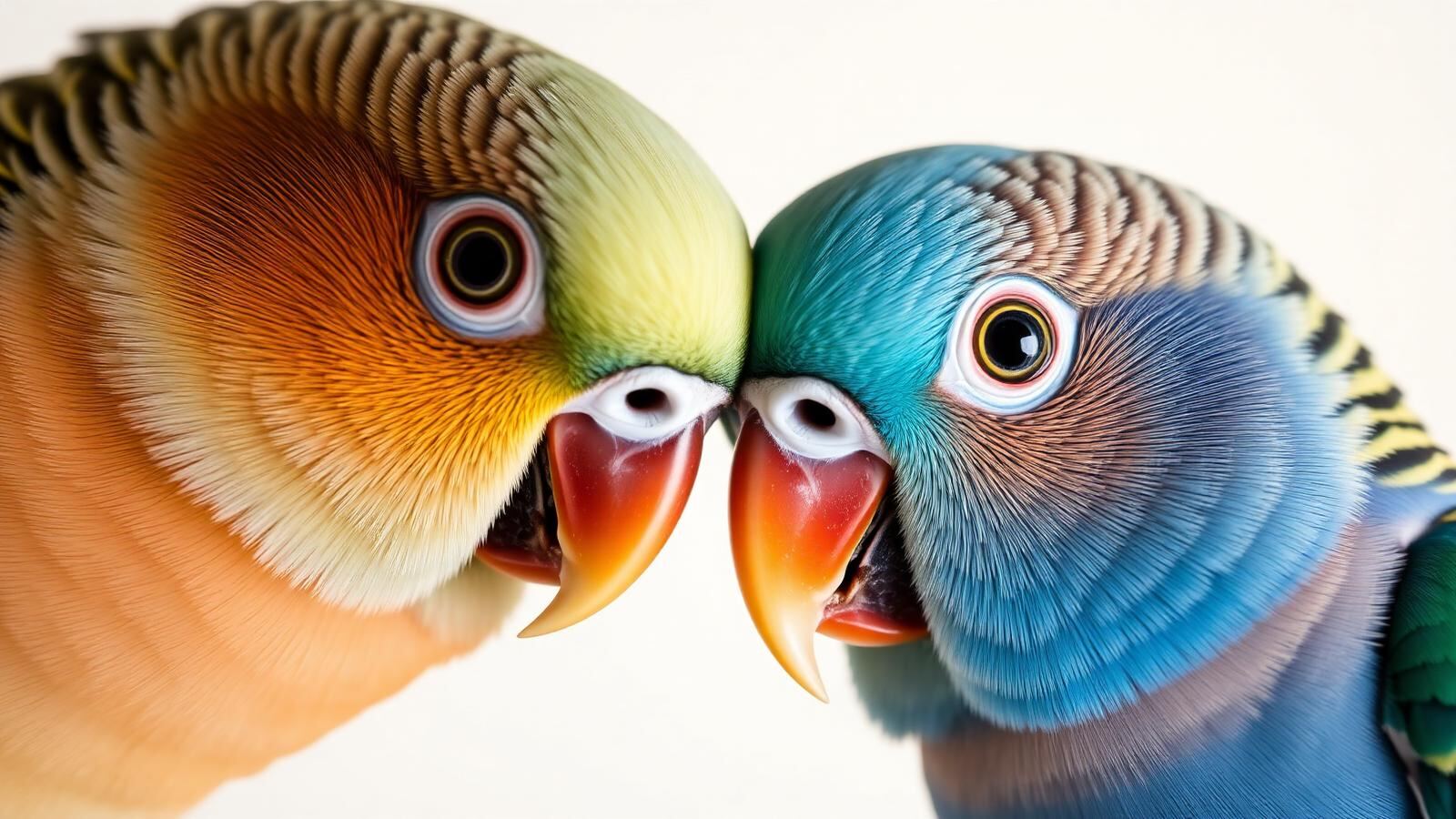
The fastest answer is the cere — the fleshy band above the beak. But cere color is age-dependent, mutation-dependent, and hormone-dependent, which is why so many keepers get it wrong on the first try.
Sexing a parakeet correctly matters: it changes how you pair them, what hormonal behaviours to expect, and which health risks to watch for. Here's the method I use, in order of reliability.
Method 1: Adult cere color (most common)
| Bird | Cere color (adult, 6+ months) |
|---|---|
| Male, normal/green/blue | Bright royal blue, smooth |
| Male, recessive pied/lutino/albino | Pink to purplish — stays pink lifelong |
| Female, non-breeding | Pale blue, beige, or white with white nostril rings |
| Female, in breeding condition | Crusty chocolate brown, thickened |
| Female, out of condition | Returns to pale blue/beige |
The single biggest sexing mistake is calling a recessive pied or lutino male 'female' because his cere is pink. These mutations suppress the blue cere pigment for life.
Method 2: Chick cere (under 4 months)
All budgie chicks have pinkish ceres. The reliable difference is the nostril ring:
- Male chick: solid pink/purple cere, no white rings around nostrils.
- Female chick: pink cere with clearly defined white rings around each nostril.
Method 3: Behavior
Behavioral cues become reliable around 6 months:
- Males: head-bob singing, beak-tapping perches, regurgitating to mirrors and toys, longer chatter sessions.
- Females: chewing wood and paper obsessively, tail-up posture, defending one corner of the cage, more biting.
Method 4: DNA sexing
$15–$25 in the US, completely reliable, works at any age. Pluck 3–5 chest feathers (don't cut — the follicle is what's tested) and mail to a bird-DNA lab. Results in 3–5 business days. Use this for breeding decisions or any pied/lutino/albino bird.
Method 5: Vet exam
An avian vet can confirm sex by visual exam if cere is ambiguous, and rule out hormone tumors that mimic the wrong sex (a sick male can develop a brown cere — this is a vet emergency).
Common sexing mistakes
- Calling a brown-cere bird 'male' — brown cere is exclusively female (or a sick male).
- Sexing too early — cere doesn't lock in until 4–6 months.
- Trusting pet-store labels — store staff often guess.
- Assuming aggression = male — hormonal females are usually the bossier bird.
Does sex affect personality?
Yes, mildly. Males talk more, sing more, and are easier to hand-tame. Females are smarter problem-solvers, more independent, and bond intensely with one person. Neither is 'better' — just different.
Frequently Asked Questions
Can a parakeet change sex?
No. But the cere can change color due to hormones, illness, or molt — leading owners to think the bird 'switched.' Underlying chromosomes don't change.
Why is my male's cere brown?
Possible testicular tumor producing female hormones. See an avian vet within a week.
Can two females live together?
Yes, but they fight more than two males or a mixed pair. Provide two of every resource (food bowls, perches, sleep huts removed).
What age can I sex a budgie?
Reliably by adult cere at 6 months. DNA test works from 2 weeks old.
Sources & Further Reading
- Association of Avian Veterinarians — aav.org
- VCA Animal Hospitals — Bird Care Library
- Lafeber Vet — Companion Bird Nutrition
Medically reviewed
Dr. Marian Hollis, DVM — ABVP-Certified Avian Practitioner
Cascade Avian & Exotic Veterinary, Portland OR
Last reviewed May 2026 · About the author
Your turn
What did your parakeet teach you the hard way? Share your story by emailing hello@perchandplume.com — the best replies appear in our weekly letter.