Species & Breeds
Lutino Parakeet: Care, Genetics & Why They're Different

Reviewed by Dr. Marian Hollis, DVM (ABVP-Certified Avian Practitioner) · Last reviewed May 2026
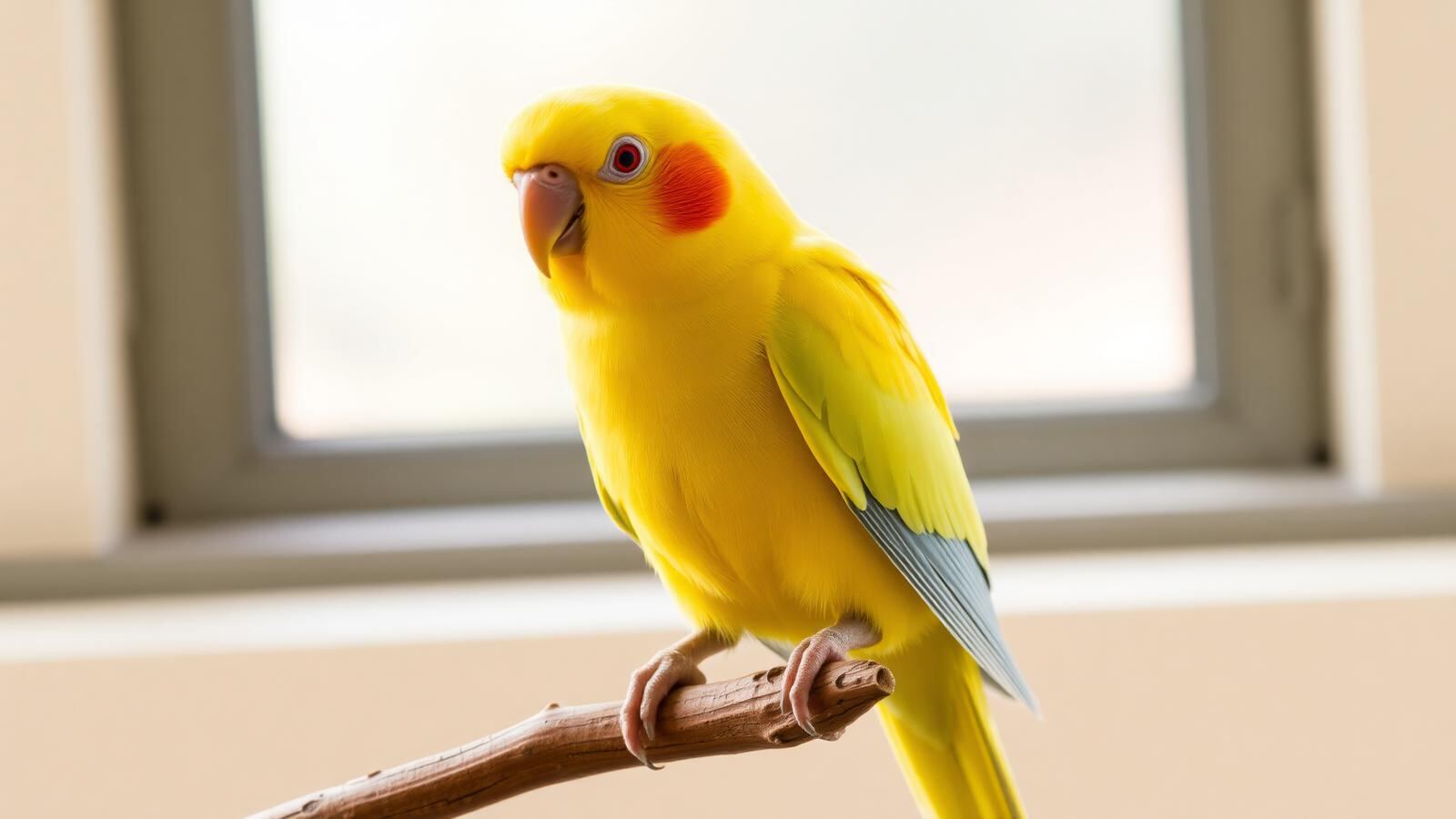
A lutino parakeet looks like a drop of butter with red eyes. Underneath that simple yellow coat is one of the most interesting genetic mutations in companion birds — and a few care needs most owners never hear about.
Lutino is a sex-linked recessive mutation that removes all melanin (dark pigment) while leaving psittacin (yellow). The result: a pure yellow bird with red eyes, pink feet, and a horn-colored beak.
The genetics in plain English
The lutino gene sits on the Z sex chromosome. Budgies use a ZZ (male) / ZW (female) sex-determination system.
- A male needs lutino on BOTH Z chromosomes to show yellow. He looks normal if he carries only one copy (he's a 'split lutino').
- A female needs only ONE copy on her single Z to show yellow. There's no such thing as a split lutino female.
- This is why lutino females outnumber lutino males in pet stores.
Sexing a lutino is hard
Lutino removes the cere pigment that normally turns blue in adult males. Adult lutino males have a pink-purple cere that looks female. Always DNA-test a lutino if sex matters — visual sexing fails about 40% of the time.
Special care needs
Light sensitivity
Lutinos lack the protective pigment that filters bright light at the iris. Symptoms of overexposure: head-tucking under wing during the day, squinting, avoiding the bright side of the cage.
- Never place the cage in direct sun, even briefly.
- Use full-spectrum bird lamps (5500K, UVA/UVB rated for birds) at 12–18 inches, on a timer.
- Provide a shaded corner inside the cage at all times.
Vitamin D and calcium
Because lutinos can't tolerate direct sun, they're at higher risk of vitamin-D deficiency. A pellet-based diet plus avian UV lighting solves this; cuttlebone alone doesn't.
Heat regulation
Without dark feathers, lutinos absorb less infrared heat. Keep the room above 65 °F (18 °C) and avoid drafts.
Personality and lifespan
Lutino is a color mutation only — it doesn't affect personality or intelligence. Lifespan matches the underlying base (American or English): 8–12 years for American type, 7–9 for English.
Lutino combinations you'll see
| Combination | Result |
|---|---|
| Lutino + blue series | Albino (pure white, red eyes) |
| Lutino + opaline | Lacewing (yellow with brown lacing) |
| Lutino + cinnamon | Pale lacewing |
| Lutino + crested | Yellow crested budgie |
| Lutino + double-factor spangle | Solid lemon yellow, no markings |
Buying tips
- Ask the breeder if the bird is from outcrossed lines — heavy lutino-to-lutino pairings cause weakness.
- Look for clear, bright red eyes (not cloudy).
- Check feet for normal pink (not pale or thin scaling).
- Always DNA sex before buying as a 'pair.'
Frequently Asked Questions
Why is my lutino parakeet's cere pink?
Lutino removes cere pigment in males. Pink doesn't mean female — DNA test to confirm.
Are lutino budgies more delicate?
Slightly. They need shaded housing and are at higher risk of vitamin-D deficiency. With proper lighting they live as long as any other budgie.
Can two lutinos breed together?
Yes, but pair only every 2–3 generations to outcross with a normal-colored bird. Heavy inbreeding causes weak chicks.
Are lutinos albino?
No. Lutino keeps yellow pigment. Albino is lutino + blue series — yellow is removed too, leaving pure white.
Sources & Further Reading
- Association of Avian Veterinarians — aav.org
- VCA Animal Hospitals — Bird Care Library
- Lafeber Vet — Companion Bird Nutrition
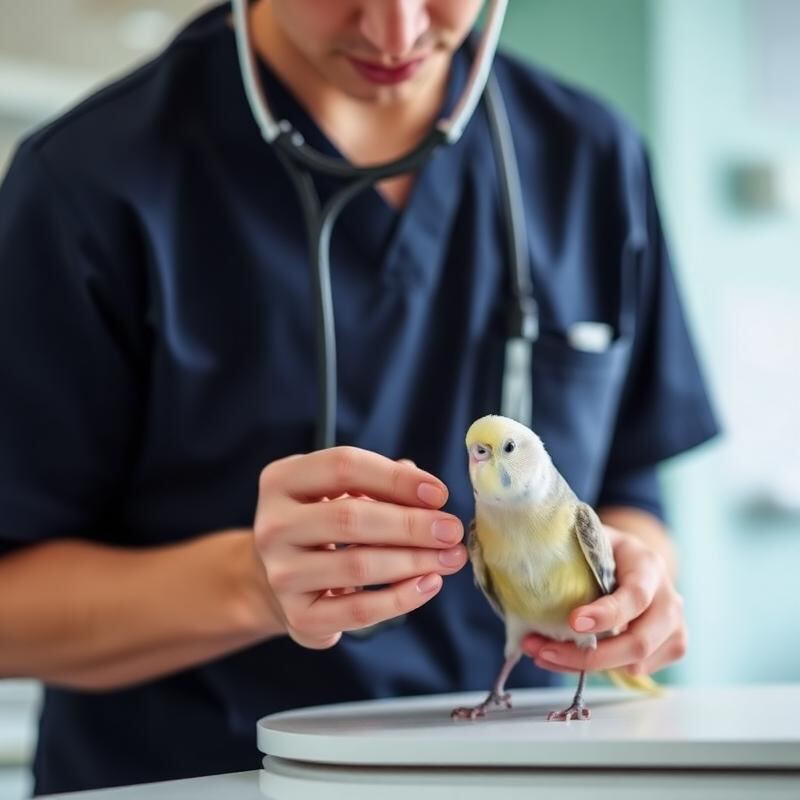
Medically reviewed
Dr. Marian Hollis, DVM — ABVP-Certified Avian Practitioner
Cascade Avian & Exotic Veterinary, Portland OR
Last reviewed May 2026 · About the author
Your turn
What did your parakeet teach you the hard way? Share your story by emailing hello@perchandplume.com — the best replies appear in our weekly letter.