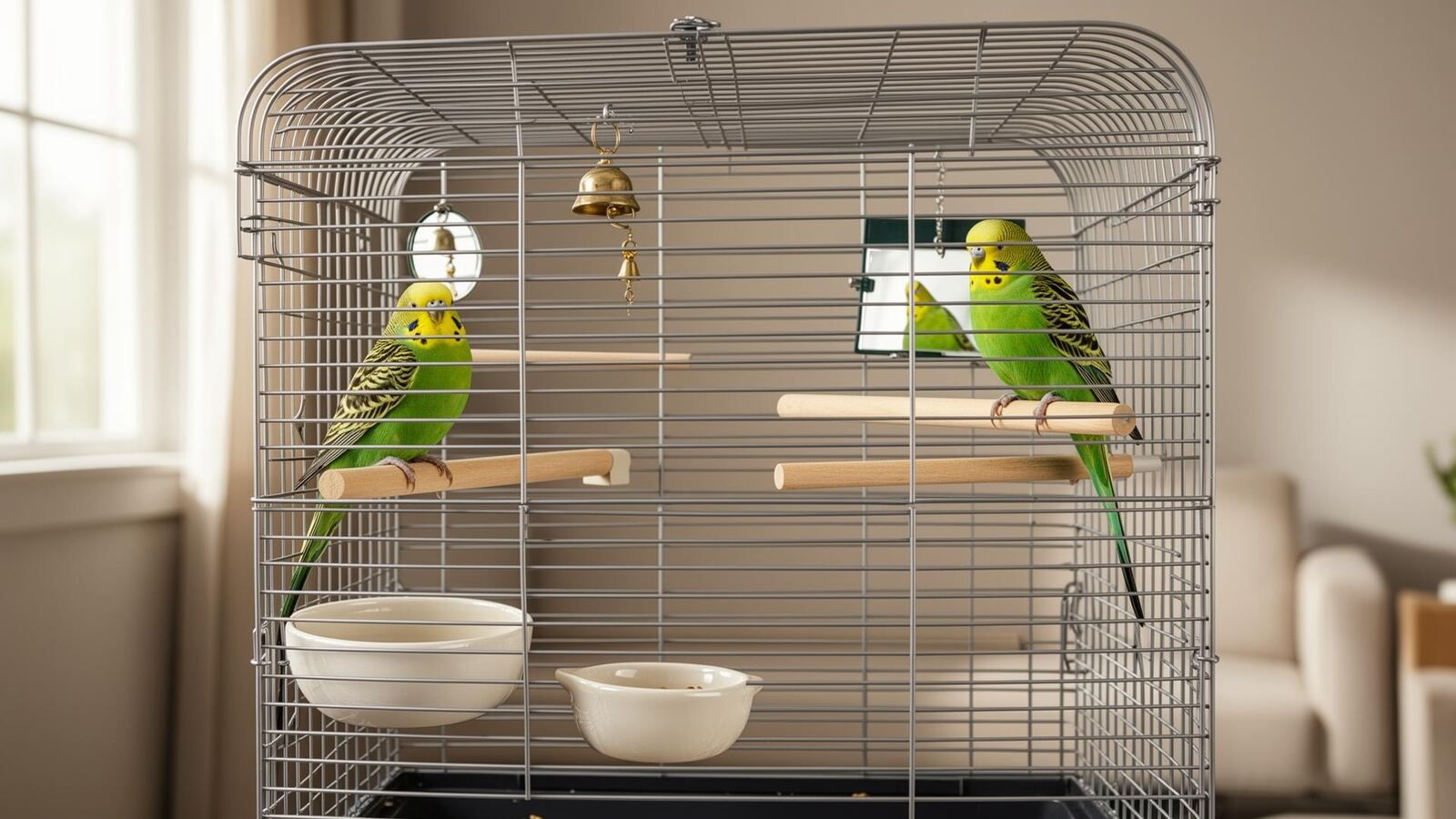
Parakeet Care
How to Bathe a Parakeet: 3 Safe Methods Vets Actually Recommend

Reviewed by Dr. Marian Hollis, DVM (ABVP-Certified Avian Practitioner) · Last reviewed May 2026
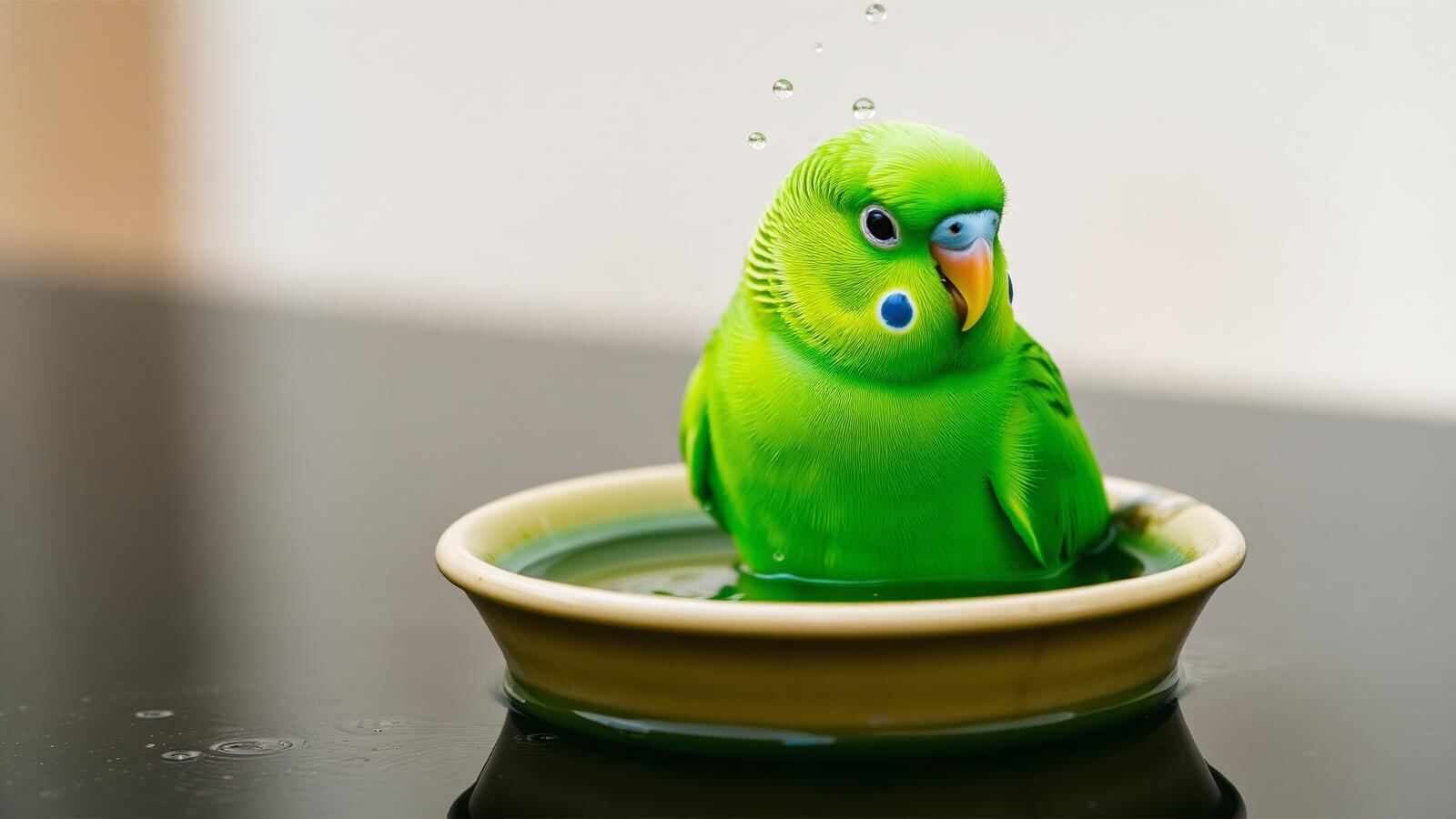
A clean parakeet is a healthy parakeet — feathers waterproof better, skin stays itch-free, and molting goes faster. Here are the three bathing methods I rotate through every week, and the small details that make birds actually enjoy it.
Why parakeets need baths
Wild budgies bathe in dew on grass and after rain. In a dry indoor home, especially in winter with central heating, their skin gets itchy and feathers get dusty. Regular bathing keeps preening efficient and reduces the white feather dust that aggravates allergies for both you and your bird.
How often should you bathe a parakeet?
Two to three times a week is the sweet spot for most parakeets. Daily is fine in summer or during a heavy molt. Less than once a week and you will start to see dull feathers and increased dander.
Method 1: The shallow dish bath (most birds love this)
- Use a shallow ceramic or stainless dish, no deeper than 1 inch (2.5 cm).
- Fill with room-temperature water — never warm, never cold. Test on your wrist; it should feel neutral.
- Place the dish on the cage floor or a play stand. Step back.
- Do not push your bird in. Curiosity wins within 5 minutes for most birds.
- Remove the dish after 15 minutes whether the bird used it or not — standing water grows bacteria fast.
Method 2: The fine-mist spray (great for hot days and molting)
Use a clean, never-used-for-chemicals plant mister. Set it to the finest mist setting and spray upward, 2–3 feet above the bird, so the droplets fall like rain. Aim for a light dusting, not a soaking. Stop the moment your bird looks annoyed (tail flicks, moving away).
Never spray a parakeet directly in the face. The water should fall onto them, not hit them.
Method 3: Wet greens (the gateway bath for shy birds)
Rinse a generous handful of romaine lettuce, kale, or carrot tops, but do not shake them dry. Clip the wet bunch to the side of the cage. Most parakeets cannot resist rolling around in damp greens — they get a snack and a bath in one.
Water temperature, depth, and timing
| Setting | Recommended | Why |
|---|---|---|
| Water temperature | 20–24°C (68–75°F) | Mimics rainwater, avoids shock |
| Water depth | 1 inch / 2.5 cm max | Parakeets cannot swim |
| Time of day | Morning to early afternoon | Feathers must dry before bedtime |
| Room temperature | At least 21°C (70°F) | Wet birds chill quickly |
| Duration offered | 10–15 minutes max | Then remove the dish |
Drying: do this right
Never use a hairdryer — they release Teflon-related fumes and the heat is wrong. Let your parakeet air-dry in a warm, draft-free room. Most birds preen themselves dry in 30–45 minutes. If you must speed it up, a simple desk fan on the lowest setting, pointed across (not at) the cage, helps.
What NOT to do
- No soap, shampoo, or “bird bath spray” — all unnecessary, most are irritating.
- No dunking or holding the bird under water. Ever.
- No bathing right before bed — wet feathers and 10°C cooler night-time air = sick bird.
- No deep dishes. A 4-inch ramekin can drown a parakeet.
- No bathing in a sink with running water unless you have months of trust and a hand-tame bird.
What if my parakeet refuses to bathe?
Some birds need to learn. Try the wet-greens method first, then graduate to a shallow dish placed on the floor of the cage rather than inside the cage. You can also bathe yourself nearby in a sink (let them watch from a play stand) — parakeets are flock learners and often copy what they see.
Frequently Asked Questions
How often should I bathe my parakeet?
Two to three times a week is ideal for most homes. Increase to daily during molting season or if you live in a dry climate. Reduce slightly in winter only if your home stays very humid.
Can I use warm water to bathe my parakeet?
No. Use room-temperature water (around 20–24°C / 68–75°F). Warm water strips the protective oils from feathers and increases the risk of chilling once they get out.
What if my parakeet hates baths?
Start with the wet-greens method, which feels like food not bathing. Then offer a very shallow dish on the cage floor. Never force it — most birds discover bathing on their own within a few weeks.
Should I dry my parakeet with a hairdryer?
Never. Most hairdryers contain non-stick coatings that release fumes lethal to birds, and the heat is far too high. Let your parakeet air-dry in a warm, draft-free room.
Can I add anything to the bath water?
No. Plain, clean tap or filtered water is best. Skip soaps, oils, vitamins, and commercial bath sprays — none are needed and most can irritate skin or damage feather waterproofing.
Sources & Further Reading
- Association of Avian Veterinarians — aav.org
- VCA Animal Hospitals — Bird Care Library
- Lafeber Vet — Companion Bird Nutrition
Medically reviewed
Dr. Marian Hollis, DVM — ABVP-Certified Avian Practitioner
Cascade Avian & Exotic Veterinary, Portland OR
Last reviewed May 2026 · About the author
Your turn
What did your parakeet teach you the hard way? Share your story by emailing hello@perchandplume.com — the best replies appear in our weekly letter.