Health & Wellness
How Long Do Parakeets Live? The 2026 Lifespan Guide (and How to Add Years)

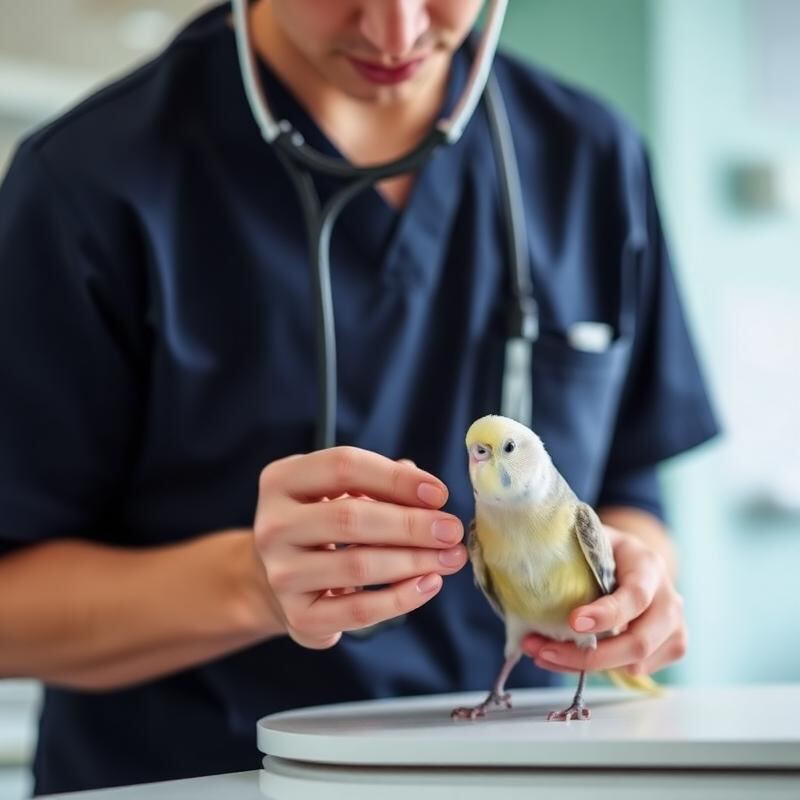
Reviewed by Dr. Marian Hollis, DVM (ABVP-Certified Avian Practitioner) · Last reviewed May 2026
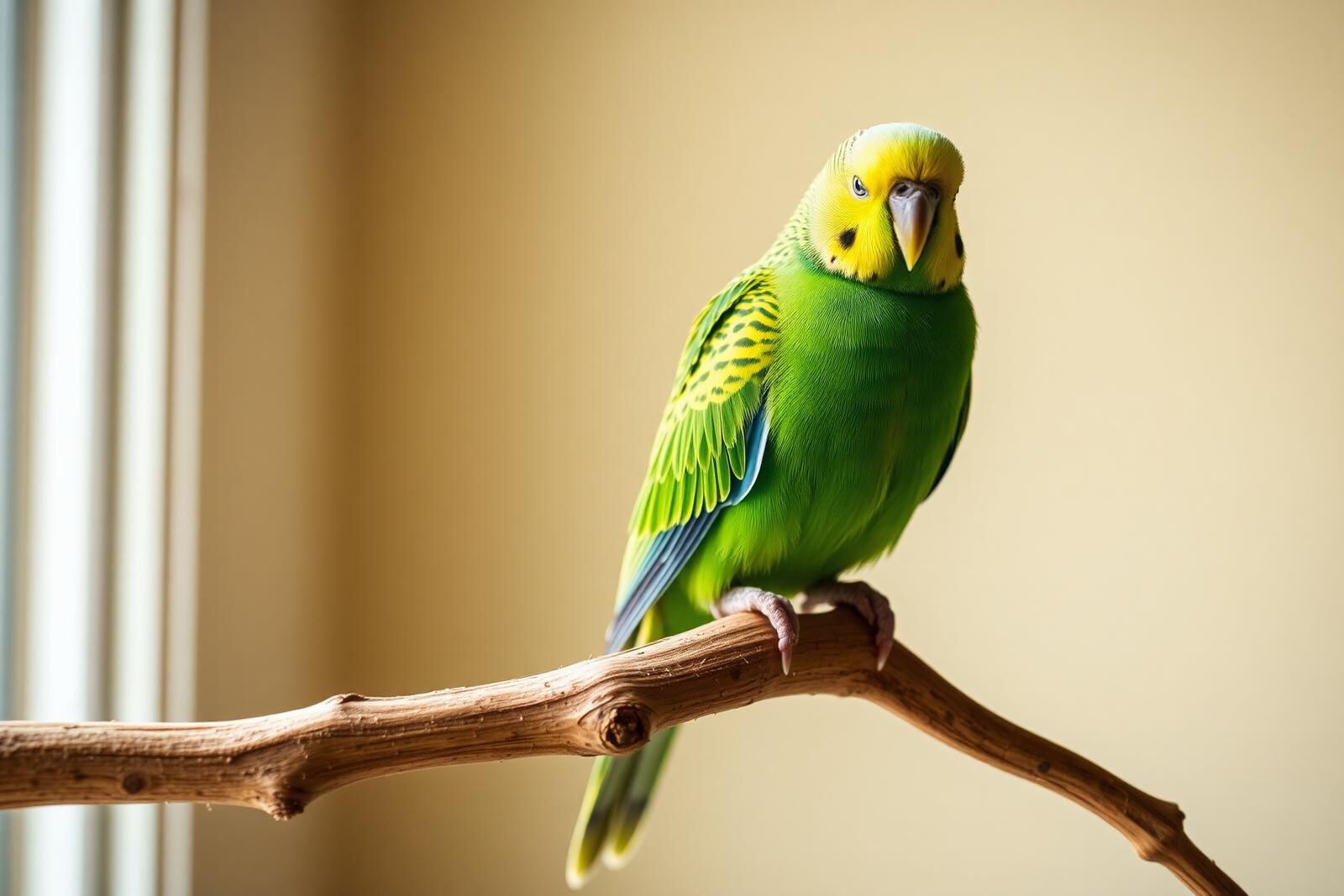
Most pet parakeets die between ages 5 and 8 — but they're built to live twice that long. Here's what the data really says, and the small daily habits that move the needle.
"How long do parakeets live?" is the question I get from every new owner — usually right after they've bought the bird. The pet store told them five years. A neighbor's budgie made it to four. The internet said anywhere from 3 to 20. Which is true?
All of them, actually. And the difference between a parakeet that dies at five and one that lives to fifteen is almost entirely in your hands. After eleven years of keeping budgies, three vet partnerships, and a quiet weekend cross-checking the published avian-medicine data for 2026, here's the honest picture.
The Short Answer: 7–15 Years
- Average pet budgie lifespan: 7–10 years
- Well-kept budgie on a vet-approved diet: 12–15 years
- Show-type English budgie: 5–7 years
- Wild budgerigar in Australia: 4–6 years (predation, drought)
- Verified record: 29 years (Charlie, UK, Guinness World Records)
If your bird is hitting double digits, you're already doing better than most keepers. If you're losing budgies at four or five and don't know why, this article is for you.
Why Captive Parakeets Outlive Wild Ones (When We Don't Mess It Up)
Wild budgerigars in the Australian outback face hawks, drought, and starvation. Captivity removes all three. In theory, a pet budgie should easily double the wild lifespan. The reason most don't is that we accidentally introduce three new threats the wild bird never faced: a junk diet, no flight, and silent disease.
The 3 Things That Kill Most Pet Parakeets Early
1. An all-seed diet
Seed mixes are the equivalent of a child eating only fries. They are too high in fat, too low in vitamins A and calcium, and they cause hepatic lipidosis (fatty liver disease) — the single most common cause of premature death in budgies. A budgie on pellets plus fresh vegetables can live nearly twice as long as one on seed alone.
2. An undersized cage and no flight time
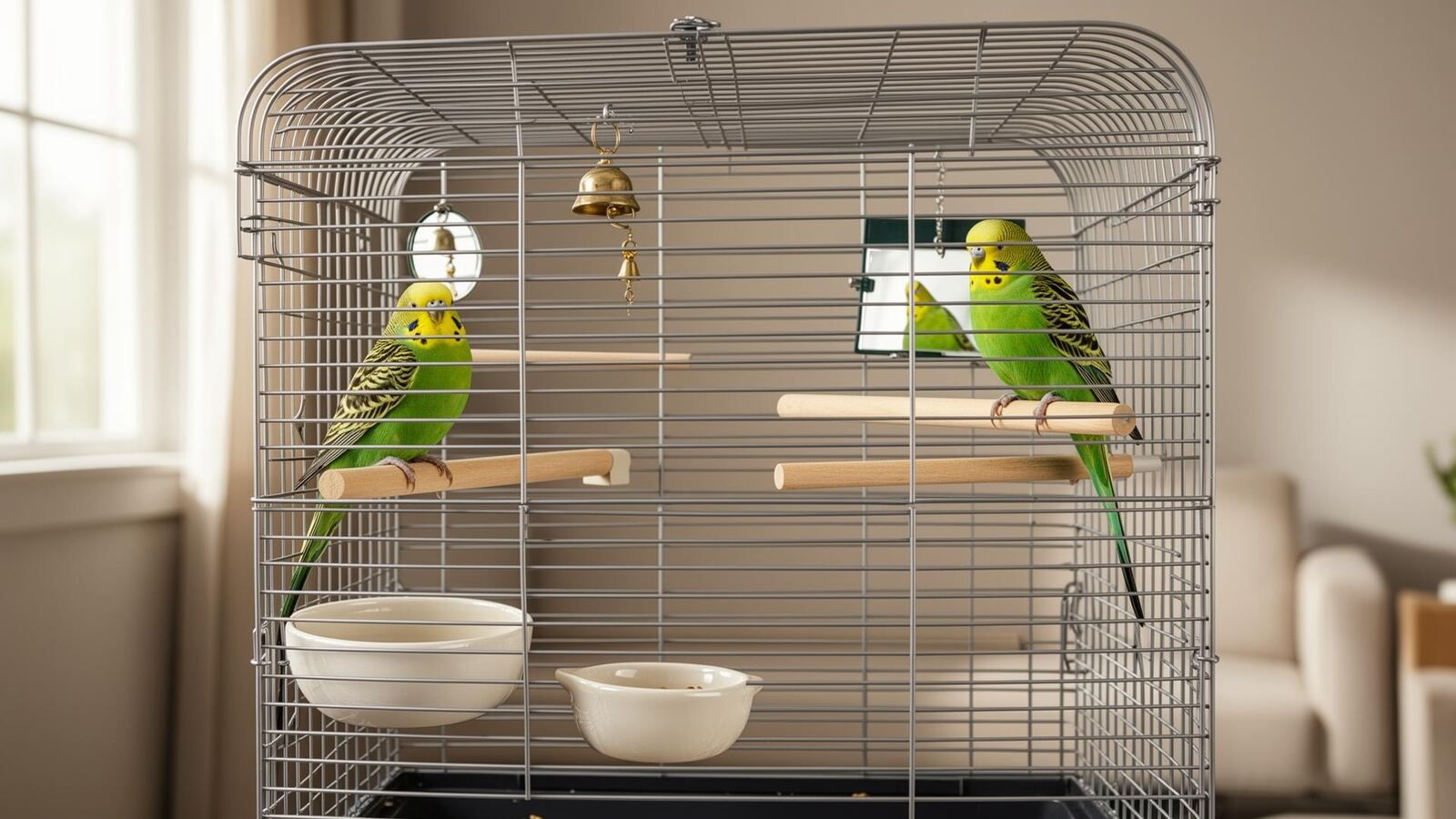
A budgie that cannot fly daily develops obesity, atrophied flight muscles, and chronic stress. Cardiovascular disease follows. Minimum cage width is 30 inches; minimum out-of-cage flight is one hour daily.
3. Missed early illness signs
Parakeets hide illness until they physically cannot. A bird that looks "a little off" today is often critically ill. Owners who learn to read subtle signs — a puffed posture, a quieter call, a change in droppings — catch disease early enough to treat. See our guide on why your parakeet is puffed up for the full triage list.
Lifespan by Type of Parakeet
| Type | Average Lifespan | Notes |
|---|---|---|
| American budgie (pet-store) | 7–10 years | The most common type; healthiest gene pool |
| English / show budgie | 5–7 years | Larger, selectively bred, prone to tumors |
| Lineolated parakeet | 10–15 years | Calmer cousin, longer-lived |
| Indian ringneck parakeet | 20–30 years | Technically a parakeet, much longer commitment |
| Bourke's parakeet | 8–12 years | Quiet and gentle, mid-range lifespan |
9 Habits That Add Years to a Parakeet's Life
- Switch from seed to a quality pellet (Harrison's, Roudybush, TOPs) over 4–6 weeks.
- Serve fresh vegetables daily — leafy greens, broccoli, bell pepper, carrot.
- Provide at least one hour of supervised out-of-cage flight every day.
- Find an avian vet BEFORE you need one and schedule an annual wellness exam.
- Cover the cage at night for a true 10–12 hour dark sleep cycle.
- Never use non-stick (PTFE/Teflon) cookware in the home — fumes are fatal within minutes.
- Weigh your bird weekly on a gram scale; sudden loss is the earliest illness sign.
- Keep hormonal triggers low: no nest sites, no dark cavities, balanced day length.
- Give them a flock — either another bird or daily, attentive human company.
Signs Your Parakeet Is Aging Well
- Bright, clear eyes with no swelling or discharge
- Smooth, tight feathers with consistent color
- Active beak and feet, normal grip
- Stable weight (most healthy budgies sit between 30–40 grams)
- Engaged, curious behavior — still interested in toys, food, and you
Signs of a Senior Parakeet (8+ years)
Older budgies slow down gracefully. You may notice longer naps, slightly less flight ambition, occasional cere color changes, and a preference for softer foods. None of these are alarms on their own — but combined with weight loss, fluffed posture, or labored breathing, they are an immediate vet visit.
What I'd Tell a New Owner Today
If you take one thing from this article, take this: budgies are not disposable five-year pets. They are intelligent, social animals capable of a decade or more of companionship if you let them. The diet swap and the daily flight time are the two changes that move the needle most. Everything else compounds on top of those two foundations.
The best predictor of a long parakeet life isn't luck or genetics — it's the small, boring decisions you make every single morning.
Frequently Asked Questions
How long do parakeets live as pets?
Pet parakeets typically live 7 to 10 years, though well-cared-for budgies regularly reach 12–15 years. The oldest verified budgie lived to 29.
Why do most parakeets die young?
The three biggest killers are an all-seed diet (fatty liver disease), undersized cages with no flight, and missed early illness signs. All three are preventable.
Do English budgies live as long as regular parakeets?
No. Show-type English budgies typically live 5–7 years due to selective breeding. Standard American budgies (the smaller, slimmer pet-store type) live noticeably longer on average.
Can a parakeet live 20 years?
Yes, but it's rare. Reaching 15+ requires a pellet-based diet, daily flight, an avian vet, no exposure to non-stick fumes, and a bit of luck.
Sources & Further Reading
- Association of Avian Veterinarians — aav.org
- VCA Animal Hospitals — Bird Care Library
- Lafeber Vet — Companion Bird Nutrition
Medically reviewed
Dr. Marian Hollis, DVM — ABVP-Certified Avian Practitioner
Cascade Avian & Exotic Veterinary, Portland OR
Last reviewed May 2026 · About the author
Your turn
What did your parakeet teach you the hard way? Share your story by emailing hello@perchandplume.com — the best replies appear in our weekly letter.