Feeding & Nutrition
15 Foods Toxic to Parakeets You Should Never Feed (2026)

Reviewed by Dr. Marian Hollis, DVM (ABVP-Certified Avian Practitioner) · Last reviewed May 2026
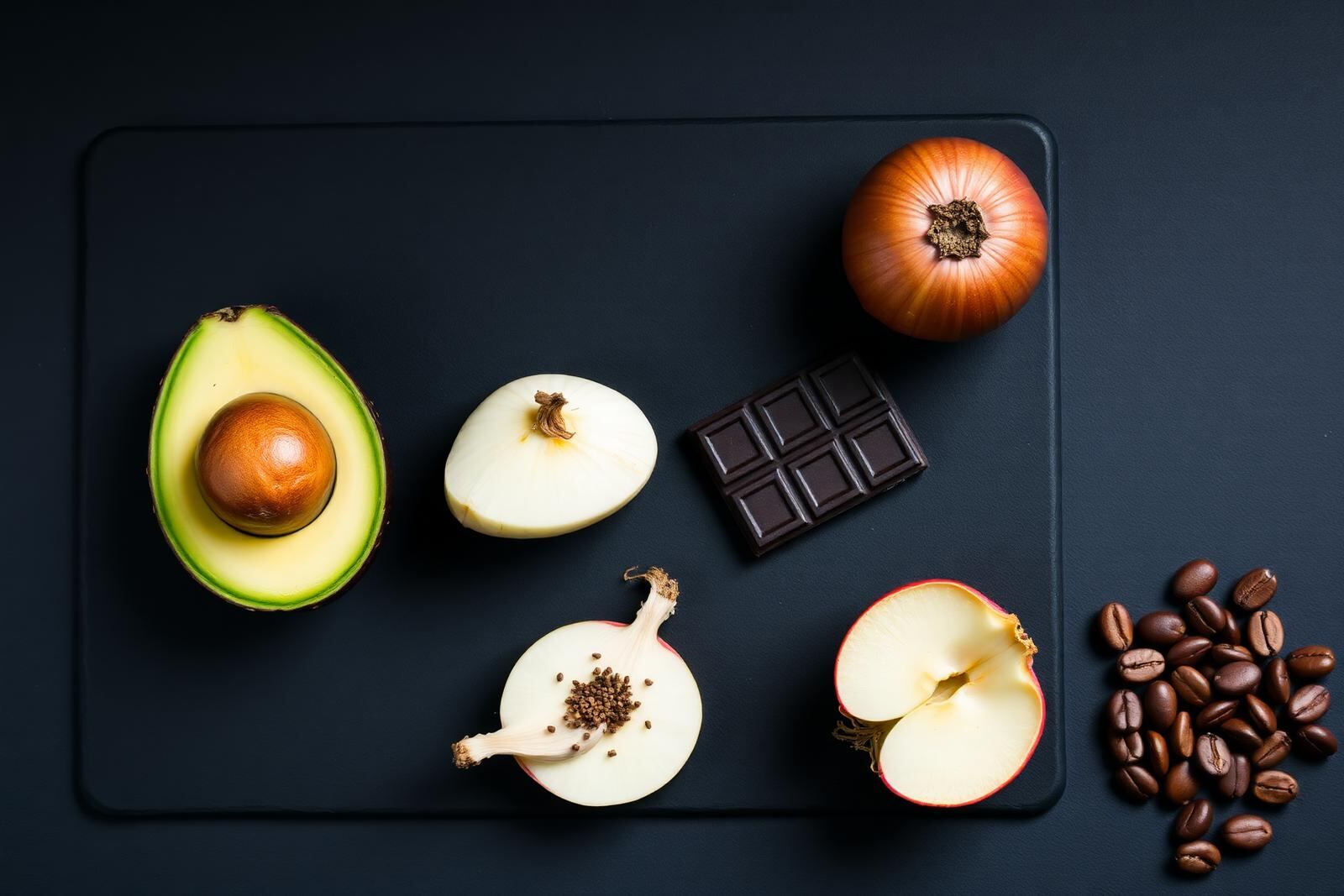
Most parakeet poisonings don't come from anything dramatic — they come from the kitchen counter and an owner who didn't know better. Here are the 15 foods I'd ask every new budgie keeper to memorize today.
After eleven years of keeping parakeets and answering reader emails, I can tell you the heartbreaking truth: most accidental poisonings happen because the owner thought 'just a little bit' was harmless. In a 30-gram bird, 'just a little bit' is a lot. This list isn't to scare you — it's to make sure your budgie is still here next year.
The 15 Foods to Never Feed a Parakeet
| Food | Why It's Toxic | Severity |
|---|---|---|
| Avocado | Persin causes heart failure | Fatal |
| Chocolate | Theobromine + caffeine | Fatal |
| Caffeine (coffee, tea, energy drinks) | Cardiac arrhythmia | Severe |
| Alcohol | Liver and brain damage | Fatal |
| Onion & garlic | Destroys red blood cells | Severe |
| Apple seeds, cherry/peach/plum/apricot pits | Cyanogenic glycosides | Severe |
| Raw potato & potato skin | Solanine | Severe |
| Mushrooms | Multiple toxins | Severe |
| Rhubarb leaves | Oxalic acid | Severe |
| Salt & salty foods | Kidney failure | Severe |
| Sugar & sweets | Crop infections, diabetes-like illness | Moderate–severe |
| Fried & fatty foods | Fatty liver disease | Moderate–severe |
| Dairy (milk, cheese, butter) | Birds can't digest lactose | Moderate |
| Raw or undercooked meat & eggs | Bacterial contamination | Moderate–severe |
| Xylitol (sugar-free gum, baked goods) | Sudden liver failure | Fatal |
Hidden Toxins Most Owners Forget
- Non-stick (PTFE/Teflon) cookware fumes — kill within minutes when overheated
- Scented candles, plug-in air fresheners, incense, essential oil diffusers
- Aerosol sprays (hairspray, deodorant, cleaners)
- Cigarette and cannabis smoke
- Self-cleaning oven cycles
Symptoms of Food Poisoning in Parakeets
- Sudden lethargy, fluffed posture
- Vomiting or regurgitation that isn't courtship behavior
- Diarrhea, unusual colored droppings
- Wobbling, tremors, or seizures
- Labored breathing, tail bobbing
What to Do in an Emergency
- Remove the toxic food immediately and check what was eaten.
- Call your nearest avian vet — not a regular dog/cat vet.
- If unreachable, call ASPCA Animal Poison Control (1-888-426-4435).
- Keep your bird warm (around 80°F / 27°C) and quiet during transport.
- Bring a sample of the food and a fresh dropping if possible.
The kitchen is the most dangerous room in the house for a parakeet — not because anyone means harm, but because we forget how small they really are.
Frequently Asked Questions
What is the most dangerous food for parakeets?
Avocado. Every part — flesh, skin, pit, leaves — contains persin, which causes heart failure in budgies. There is no safe amount. Even small exposure can be fatal.
Can parakeets eat chocolate?
Never. Chocolate contains theobromine and caffeine, both highly toxic to birds. Even a crumb of dark chocolate can cause seizures or death in a 30-gram parakeet.
What should I do if my parakeet ate something toxic?
Call an avian vet or pet poison helpline immediately. Bring the food packaging and note the time and amount eaten. Do not try home remedies — most worsen toxicity.
Is salt bad for budgies?
Yes. Even a tiny pinch of salt can cause kidney failure in a parakeet. Skip salted nuts, crackers, chips, and anything seasoned for human taste.
Sources & Further Reading
- Association of Avian Veterinarians — aav.org
- VCA Animal Hospitals — Bird Care Library
- Lafeber Vet — Companion Bird Nutrition
Medically reviewed
Dr. Marian Hollis, DVM — ABVP-Certified Avian Practitioner
Cascade Avian & Exotic Veterinary, Portland OR
Last reviewed May 2026 · About the author
Your turn
What did your parakeet teach you the hard way? Share your story by emailing hello@perchandplume.com — the best replies appear in our weekly letter.