Feeding & Nutrition
Can Parakeets Eat Apples and Bananas? The Honest Fruit Guide
Reviewed by Dr. Marian Hollis, DVM (ABVP-Certified Avian Practitioner) · Last reviewed May 2026
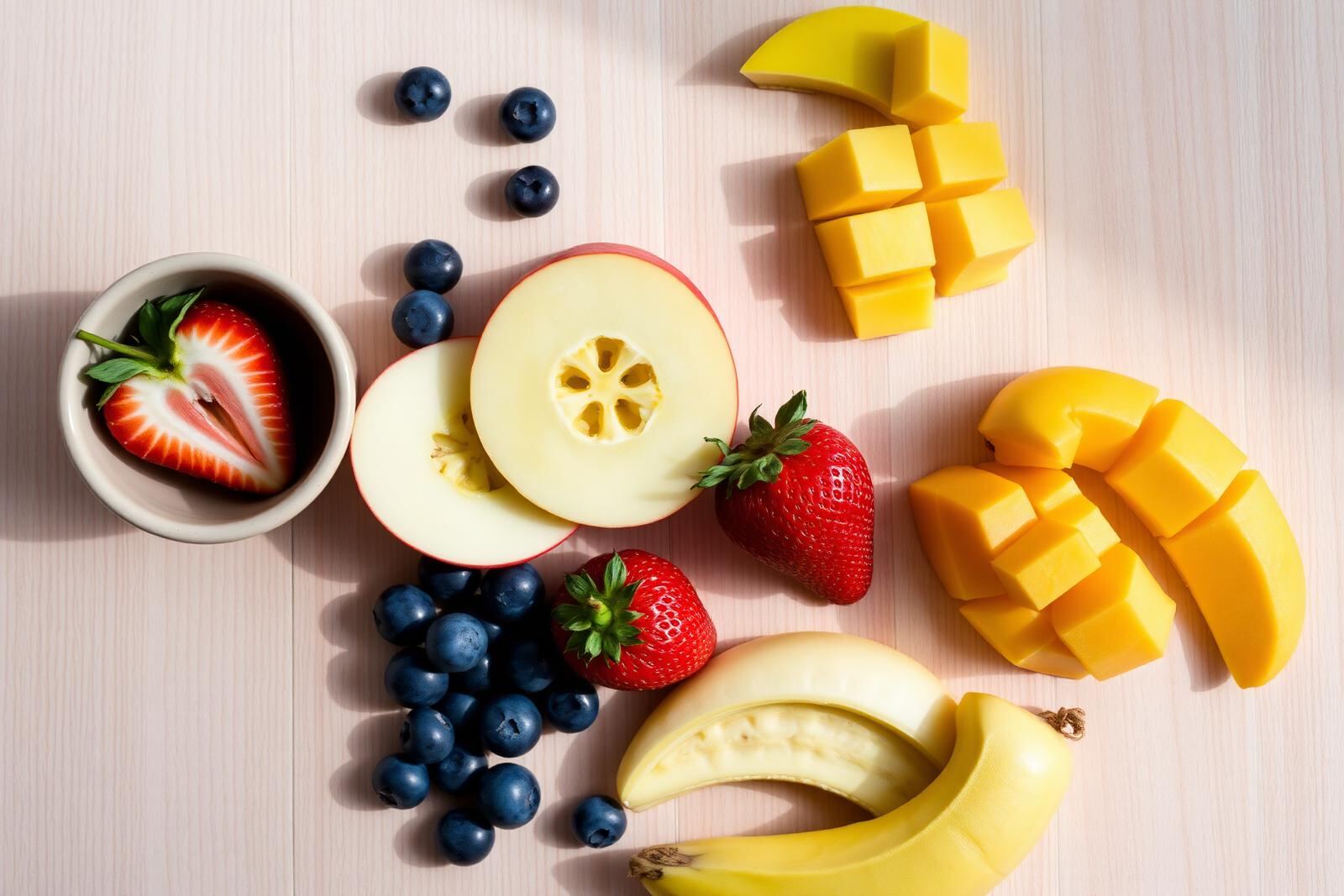
Yes, your parakeet can eat apple and banana — but the way most owners serve them quietly causes weight gain, loose droppings, or in one ingredient, real poisoning. Here's how to do fruit right.
Fruit is where well-meaning owners accidentally cause the most damage. It's sweet, budgies love it, and that combination quickly turns into a bird that demands fruit and refuses vegetables. Done right, though, fruit is a beautiful enrichment tool — colorful, hydrating, and packed with antioxidants seed-only diets can't deliver.
The Safe Fruits, Ranked by My Flock's Acceptance
| Fruit | Serving Size | Frequency | Notes |
|---|---|---|---|
| Apple (no seeds) | Thumbnail piece | 3–4×/week | Crowd favorite, hydrating |
| Banana | Thin slice | 2–3×/week | High sugar — keep portions small |
| Blueberries | 1–2 berries | 3×/week | Top antioxidant source |
| Strawberry | Small piece | 2×/week | Wash thoroughly |
| Mango | Pea-sized cube | 2×/week | Vitamin A powerhouse |
| Papaya | Pea-sized cube | 2×/week | Aids digestion |
| Pear (no seeds) | Thumbnail piece | 2–3×/week | Mild and well tolerated |
| Melon (cantaloupe, watermelon) | Small cube | Summer treat | Hydration on hot days |
| Grape (halved, seedless) | Half a grape | 1×/week | Very high sugar — rare treat only |
| Orange / citrus | Tiny segment | 1×/week | Vitamin C, but acidic |
About Apple Seeds — Please Don't Skip This
Apple, pear, cherry, peach, plum, and apricot seeds all contain amygdalin, which the body converts to cyanide. A human can metabolize trace amounts without issue. A 30-gram budgie cannot. One owner I know lost a budgie to a cherry pit she didn't know was dangerous. Always core, always pit, always check.
How to Serve Fruit Without Creating a Sugar Addict
- Always serve fruit in the morning, alongside vegetables — never alone.
- Keep total fruit under 10% of the daily food volume.
- Rotate types so your bird doesn't fixate on one.
- Skewer pieces on a stainless food kebab for foraging enrichment.
- Remove uneaten fruit within 2 hours — sugar attracts bacteria fast.
Signs You're Feeding Too Much Fruit
- Loose, watery droppings the day after fruit
- Refusing pellets or vegetables
- Weight gain (weigh weekly with a kitchen scale)
- Increasingly demanding behavior at feeding time
Fruit is dessert. Vegetables are dinner. Pellets are the bread on the table. Get that order right and most diet problems vanish.
Frequently Asked Questions
Can parakeets eat apples every day?
A small piece of apple (about the size of your thumbnail) 3–4 times a week is ideal. Always remove the seeds and core — apple seeds contain trace cyanide compounds that build up dangerously in a 30-gram bird.
Are bananas safe for budgies?
Yes. Banana is one of the most universally accepted first fruits for nervous parakeets. Offer a small slice 2–3 times per week — it's high in natural sugar, so don't overdo it.
How much fruit should a parakeet eat per day?
Fruit should make up only 5–10% of the daily diet. A piece roughly the size of a pea is plenty. Vegetables should always outweigh fruit.
What fruits are toxic to parakeets?
Avocado is the only outright toxic fruit, but apple seeds, cherry pits, peach pits, plum pits, and apricot pits all contain cyanogenic compounds. Always remove pits and seeds.
Sources & Further Reading
- Association of Avian Veterinarians — aav.org
- VCA Animal Hospitals — Bird Care Library
- Lafeber Vet — Companion Bird Nutrition
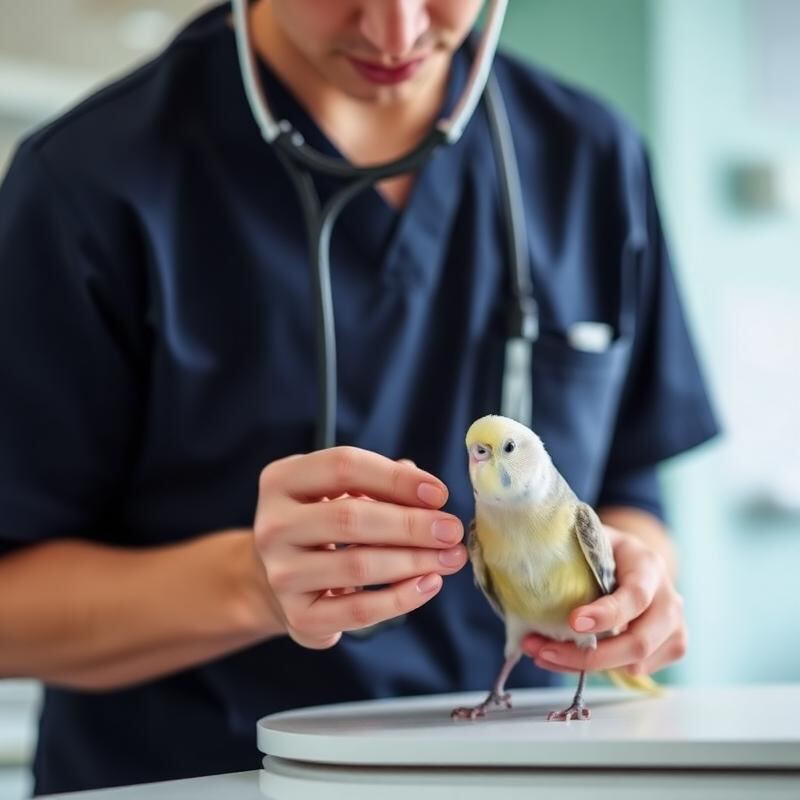
Medically reviewed
Dr. Marian Hollis, DVM — ABVP-Certified Avian Practitioner
Cascade Avian & Exotic Veterinary, Portland OR
Last reviewed May 2026 · About the author
Your turn
What did your parakeet teach you the hard way? Share your story by emailing hello@perchandplume.com — the best replies appear in our weekly letter.